Category: Medications - Page 2

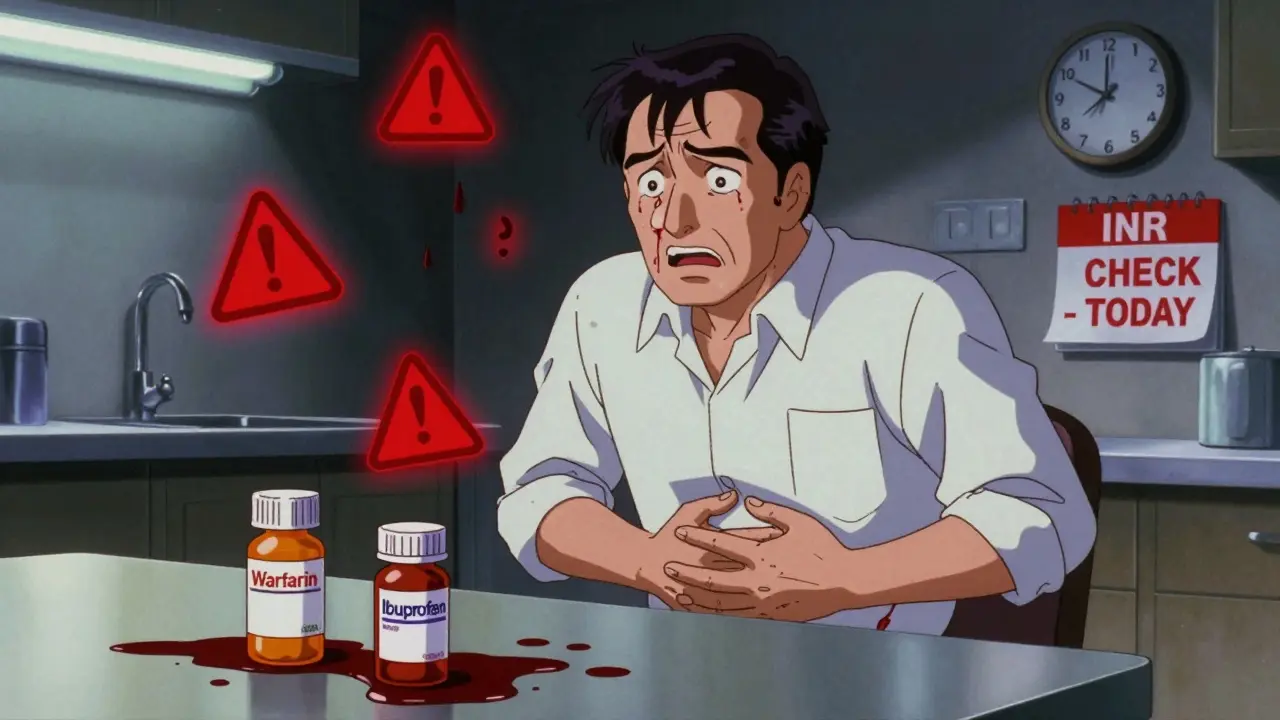
SSRIs and Anticoagulants: What You Need to Know About the Bleeding Risk
Marian Andrecki 10

SSRIs and Anticoagulants: What You Need to Know About the Bleeding Risk

Combining SSRIs with anticoagulants increases major bleeding risk by 33%, especially in the first 30 days. Learn why, where bleeding happens, which drugs are riskiest, and what safer alternatives exist.

Read More
Anticholinergics: How These Medications Affect Memory and Cause Dry Mouth
Marian Andrecki 14

Anticholinergics: How These Medications Affect Memory and Cause Dry Mouth

Anticholinergics can cause memory loss, brain shrinkage, and severe dry mouth - especially in older adults. Learn which drugs carry the highest risks and safer alternatives that protect your brain and health.

Read More
Monitoring During Immunosuppressive Therapy: Essential Lab Tests and Imaging for Safety and Effectiveness
Marian Andrecki 14

Monitoring During Immunosuppressive Therapy: Essential Lab Tests and Imaging for Safety and Effectiveness

Effective monitoring of immunosuppressive therapy requires regular lab tests and imaging to balance rejection risk with drug toxicity. Key drugs like tacrolimus and cyclosporine need precise blood level tracking, while TTV monitoring offers a new way to assess immune function. Routine blood work and imaging help prevent kidney damage, infections, and other complications.

Read More
Generic Pill Appearance Changes: What You Need to Know About Safety, Legality, and Adherence
Marian Andrecki 9

Generic Pill Appearance Changes: What You Need to Know About Safety, Legality, and Adherence

Generic pills can change color, shape, or size without affecting their safety or effectiveness-but these changes often cause patients to stop taking their meds. Learn why it happens, what to do, and how to stay safe.

Read More
High-Potassium Foods and Blood Pressure Medications: What You Need to Know
Marian Andrecki 10

High-Potassium Foods and Blood Pressure Medications: What You Need to Know

Learn how high-potassium foods interact with common blood pressure medications like ACE inhibitors and ARBs. Discover which foods to watch, how to stay safe, and what your doctor needs to know.

Read More
Digoxin and Amiodarone: How to Prevent Deadly Drug Interactions
Marian Andrecki 14

Digoxin and Amiodarone: How to Prevent Deadly Drug Interactions

Digoxin and amiodarone together can cause deadly toxicity due to a well-documented drug interaction. Learn why dose reduction is critical, how to monitor for toxicity, and what guidelines say to prevent life-threatening complications.

Read More
How to Coordinate School Nurses for Daily Pediatric Medications
Marian Andrecki 13

How to Coordinate School Nurses for Daily Pediatric Medications

Learn how school nurses coordinate daily pediatric medications using the Five Rights, delegation protocols, IHPs, and electronic systems to ensure safety, compliance, and continuity of care for students with chronic conditions.

Read More
What Are Drug Interactions and Why They Matter for Medication Safety
Marian Andrecki 9

What Are Drug Interactions and Why They Matter for Medication Safety

Drug interactions can turn safe medications into dangerous ones. Learn how they happen, who's at risk, and what you can do to prevent harmful side effects and hospital visits.

Read More
Generic Drug Safety in Older Adults: What You Need to Know
Marian Andrecki 11

Generic Drug Safety in Older Adults: What You Need to Know

Generic drugs are safe for older adults when used correctly, but age-related changes in the body increase the risk of side effects and dangerous interactions. Learn how to use them safely with the Beers Criteria, medication reviews, and smart dosing.

Read More
How to Request Easy-Open Caps and Accessible Labels for Prescription Medication Safety
Marian Andrecki 9

How to Request Easy-Open Caps and Accessible Labels for Prescription Medication Safety

Learn how to request easy-open pill bottles and accessible labels for prescription meds. Get the facts on legal rights, packaging types, and steps to ensure safe, independent medication use.

Read More