Antiemetics and Serotonergic Drugs: Understanding the Risk of Serotonin Syndrome
Antiemetics like ondansetron can trigger serotonin syndrome when combined with SSRIs or other serotonergic drugs. Learn the risks, symptoms, and how to stay safe.
Climate-related disasters are now the leading cause of drug shortages in the U.S., with hurricanes disrupting critical medicine supplies. From IV fluids to insulin, the system is fragile-and patients are paying the price.
Generic drugs make up 90% of prescriptions but many clinicians still hesitate to prescribe them. Learn how targeted education improves confidence, reduces costs, and boosts patient adherence.
DOACs like apixaban and rivaroxaban are safe and effective for obese patients at standard doses. Dabigatran increases bleeding risk, and edoxaban may need caution in extreme obesity. Learn what works, what doesn’t, and what guidelines say.
Understanding what manufacturing changes trigger FDA re-evaluation for generic drugs is key to ensuring drug safety and availability. Major changes like facility transfers, new suppliers, or process upgrades require full review - but new programs are speeding up approvals for U.S.-made generics.
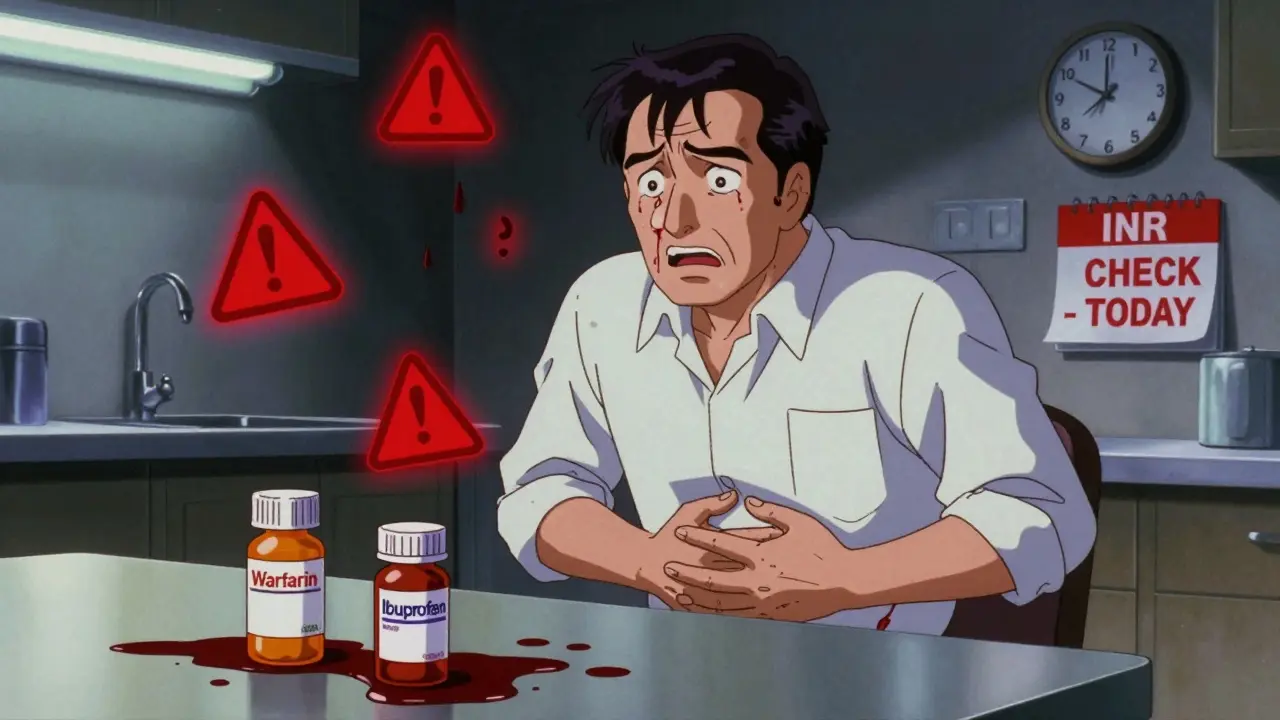
Combining warfarin with NSAIDs doubles your risk of dangerous bleeding. Learn why naproxen and ibuprofen are especially risky, what alternatives actually work, and how to protect yourself from life-threatening side effects.
Mail-order generics offer home delivery of medications but come with hidden risks like temperature damage and pricing markups. Learn how to use them safely for chronic conditions while avoiding common pitfalls.
Exploring the risks and challenges of generic cyclosporine and tacrolimus for transplant patients. Learn why bioequivalence issues, dosing differences, and switching protocols matter for safety and effectiveness.
Learn how to cut prescription costs during Medicare Part D’s donut hole in 2024 before the $2,000 out-of-pocket cap eliminates it in 2025. Proven strategies for saving hundreds or thousands on meds.
SGLT2 inhibitors help lower blood sugar and protect the heart and kidneys in type 2 diabetes, but come with risks like yeast infections and rare but serious ketoacidosis. Know who benefits most and what to watch for.