Mail-order pharmacies have exploded from $86 billion to over $206 billion in sales between 2013 and 2023, yet prescription volume only grew 11%. This gap reveals a hidden truth: while convenient, home-delivered medications often come with serious risks you might not know about.
What Mail-order Generics Really Are
Mail-order generics are pharmaceutical services that deliver generic medications directly to your home. Unlike traditional pharmacies, they typically ship 90-day supplies at a time, often through insurance company pharmacy benefit managers (PBMs). Major companies like Express Scripts, CVS Caremark, and OptumRx control nearly 79% of all mail-order prescriptions in the U.S. These services became widespread after Medicare Part D included mail-order options in 2006.
The Real Cost Savings (and Hidden Markups)
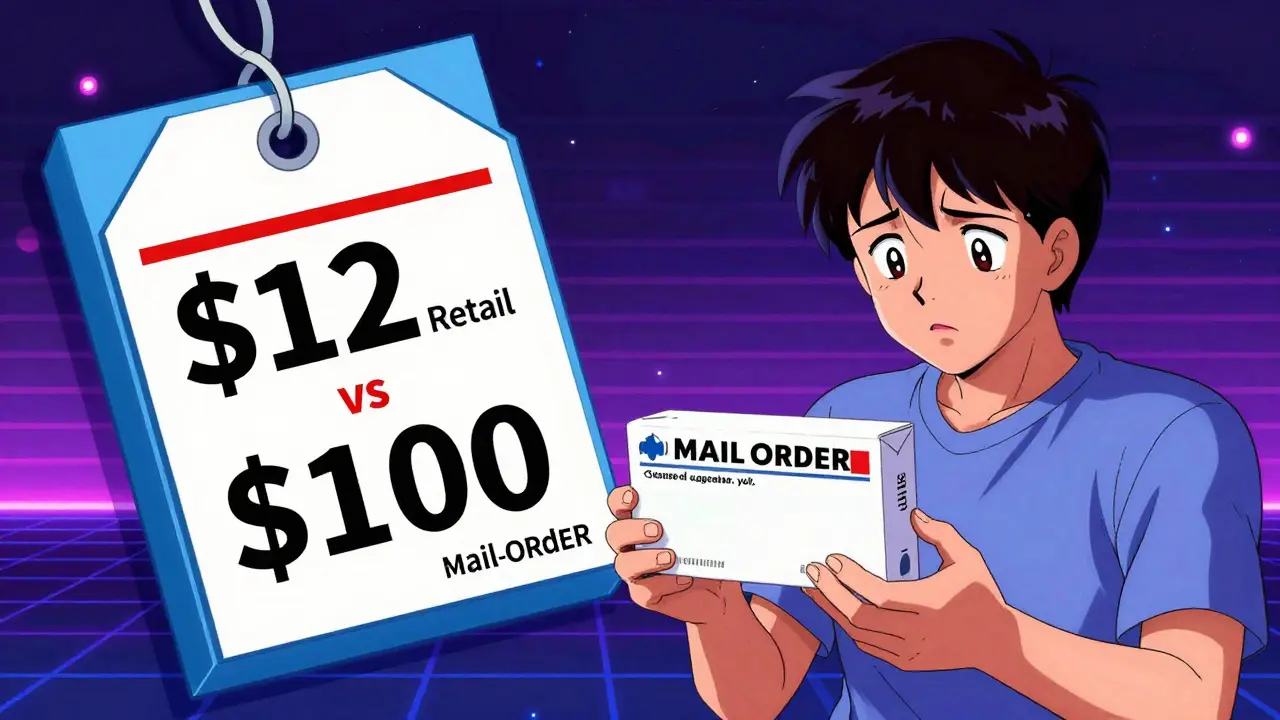
Many people turn to mail-order generics for cost savings, especially for chronic conditions. For example, some insurers offer 90-day supplies for just $10 copays on blood pressure meds, saving $45 monthly compared to 30-day retail purchases. However, a closer look reveals troubling pricing practices. A generic antidepressant costing $12 at a retail pharmacy can be billed at $100 through mail-order-that’s over 800% markup. Brand-name drugs can see markups as high as 35 times the retail price. This discrepancy explains why sales jumped from $86 billion to $206 billion in a decade while prescription volume grew only 11%.
When Mail-order Works Best (and When It Doesn’t)
Mail-order is ideal for ongoing treatments like diabetes or hypertension medications. Studies show users of mail-order services have better medication adherence and better control of cardiovascular risks. However, it’s not suitable for acute needs like antibiotics or post-surgery drugs. If you need medication immediately, retail pharmacies are safer. Also, if you take multiple medications, using different pharmacies for each can create safety issues because pharmacists can’t check for drug interactions across different providers. For example, a 2024 JAMA Network Open study found that patients switching between mail-order and retail pharmacies for different drugs had higher rates of dangerous drug interactions.
Delivery Risks You Can’t Ignore
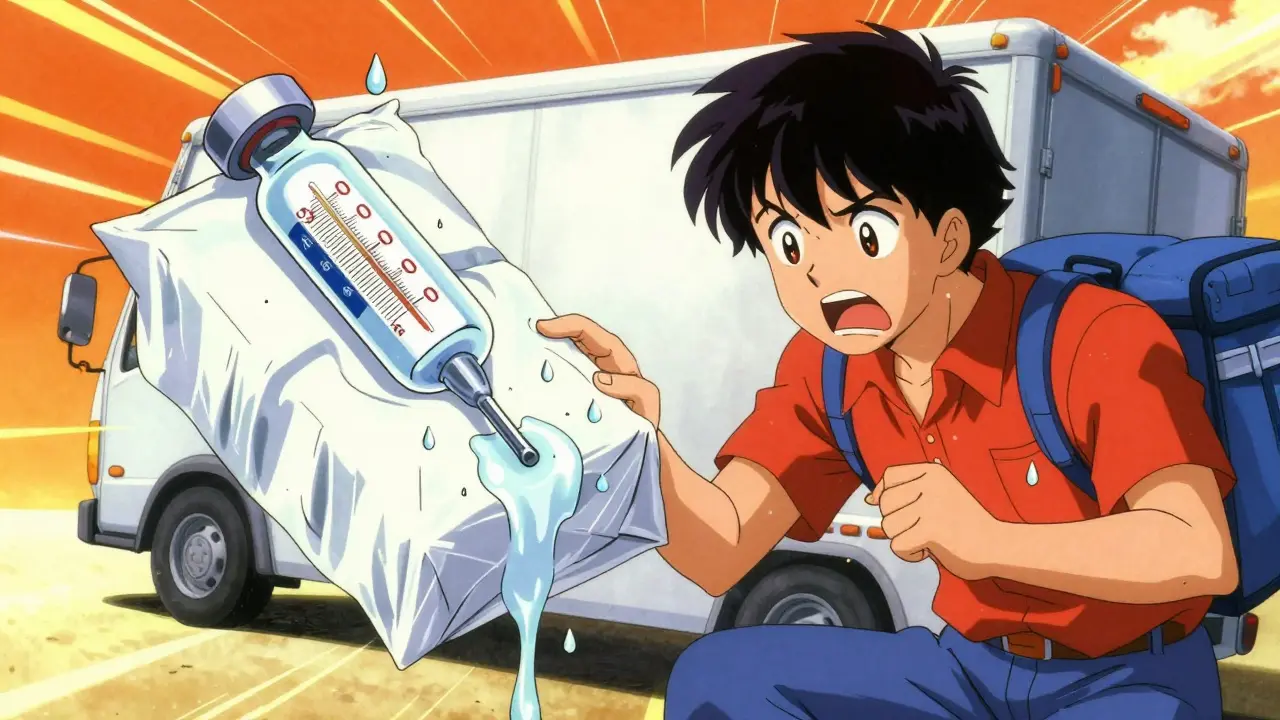
Temperature control is a major issue. Medications need to stay between 68-77°F during shipping to remain effective. Yet research found only one-third of mail-order shipments maintain this range. Insulin shipments have melted in summer heat, rendering them useless. Trustpilot reviews show 17% of negative experiences cite delivery problems like lost or damaged packages. For life-saving drugs like insulin, a single missed dose can be dangerous. The FDA recorded 1,247 temperature-related medication failures between 2020-2023, though this is likely underreported. Always order at least two weeks before running out to avoid gaps.
How to Use Mail-order Generics Safely
Follow these steps to minimize risks:
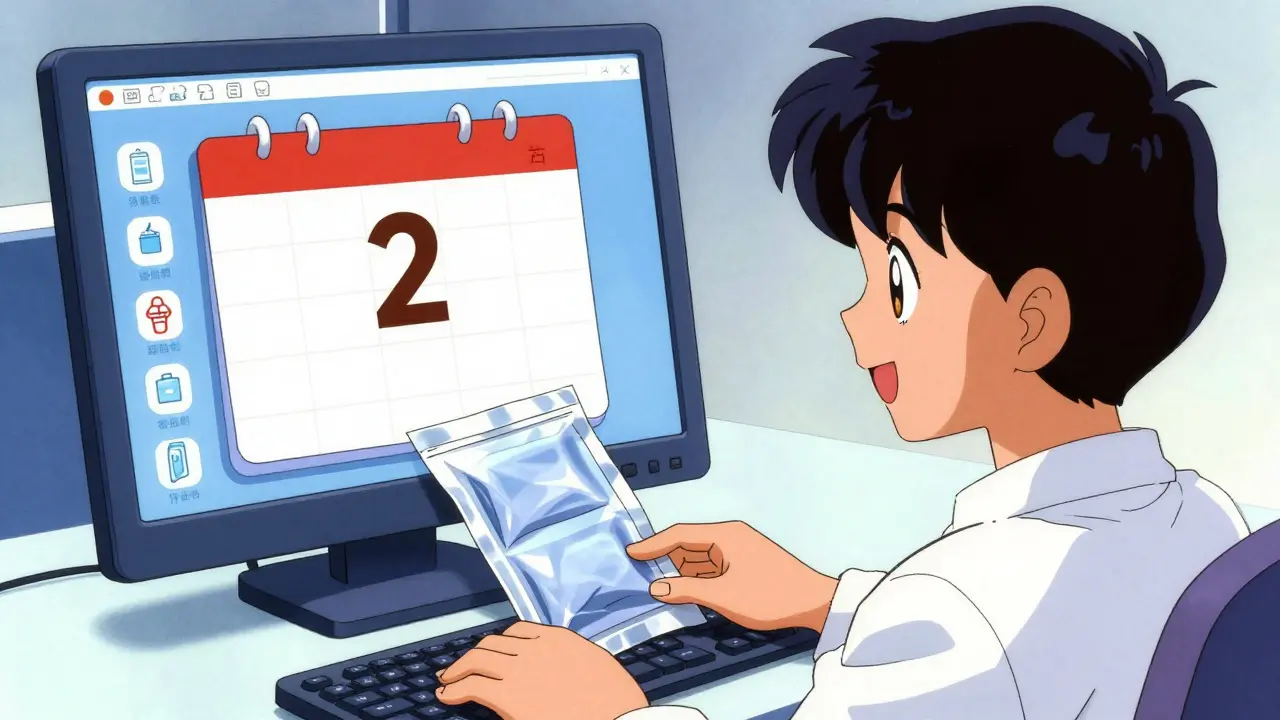
- Order early: Set up refills two weeks before your current supply runs out. This avoids dangerous gaps if delivery is delayed.
- Check delivery conditions: For temperature-sensitive meds like insulin, ask about cold packs and track shipments closely. If it’s hot outside, request special packaging.
- Use in-network pharmacies: Out-of-network options often have higher costs and less oversight. Your insurance company’s preferred mail-order provider usually has better quality control.
- Verify medication appearance: Generics may look different from brand-name drugs. Check with your pharmacist if the pill’s color, shape, or size changes unexpectedly. A 2017 study found that changes in pill appearance caused confusion and reduced adherence in some patients.
- Keep communication open: Contact your pharmacy immediately if you notice issues with your order. Don’t wait until you’re out of medication.
What’s Next for Mail-order Generics?
Regulators are paying attention. The proposed Pharmacy Delivery Safety Act (H.R. 4892) would require temperature monitoring during shipping and better transparency in pricing. Industry analysts predict mail-order will handle 45% of chronic medication prescriptions by 2027, up from 31% today. But until new rules take effect, patients must stay vigilant. For uninsured patients, mail-order can sometimes be unaffordable-injectable weight-loss drugs like semaglutide cost up to $500 monthly through direct-to-consumer services.
Can I safely use mail-order for insulin?
Insulin is highly temperature-sensitive. While some mail-order services ship it with cold packs, studies show only one-third of shipments maintain safe temperatures. Many users report melted insulin during hot weather. If you rely on insulin, it’s safer to use a local pharmacy for immediate access and store it properly. If you must use mail-order, confirm they use temperature-controlled packaging and track the shipment closely.
Why do mail-order prices sometimes cost more than retail?
Pharmacy benefit managers (PBMs) often set mail-order prices, and their lack of transparency drives up costs. For example, a generic antidepressant costing $12 at a retail pharmacy might be billed at $100 through mail-order-a 800% markup. This happens because PBMs negotiate prices behind closed doors, and some insurers push patients toward mail-order even when it’s more expensive. Always compare prices using tools like GoodRx before ordering.
Are generic medications as effective as brand-name drugs?
Yes, the FDA requires generic medications to have the same clinical risks and benefits as brand-name drugs. However, differences in inactive ingredients (like fillers or dyes) can sometimes cause reactions in sensitive patients. A 2023 Express Scripts study found only 3% of patients experienced issues with generics, but those issues were often due to switching between different generic versions of the same drug. Always check with your pharmacist if you notice new side effects after switching to a generic.
How do I avoid delivery delays?
Set up automatic refills at least two weeks before your supply runs out. Track shipments using the tracking number provided by the pharmacy. If you live in a remote area, ask about expedited shipping options. For critical medications like heart disease drugs, consider keeping a small emergency supply at home. Many pharmacies offer same-day delivery for urgent needs if you call directly.
Should I use mail-order for all my medications?
No. Mail-order works best for chronic medications you take regularly, like blood pressure or diabetes drugs. For acute needs like antibiotics or pain relief after surgery, use a local pharmacy. Also, if you take multiple medications, using the same pharmacy for all prescriptions helps pharmacists check for drug interactions. A 2024 study found that patients using multiple pharmacies for different drugs had a 20% higher risk of dangerous interactions.



10 Comments
Natasha Bhala
Feb 7 2026ive been using mail order for years just make sure to order early and check delivery temps had a bad experience once when insulin melted now i always track the shipment
Gouris Patnaik
Feb 7 2026in india our healthcare system handles this better no mail order issues why are we even discussing this
Jesse Lord
Feb 8 2026when i traveled i noticed different countries handle meds differently each system has challenges but the tips here are practical
AMIT JINDAL
Feb 9 2026the us healthcare system is just a disaster from start to finish
we in india have a much better system
no mail order issues whatsoever
the way they handle medications is way more efficient
also the pricing is transparent
but honestly the us system is all about profit
they dont care about patients
every time i hear about someone getting a bill they cant pay it makes me sick
the pharmaceutical companies are just greedy
they charge insane amounts for nothing
i mean look at insulin prices
in india its affordable
but in the us its a joke
the whole system is broken
we need to learn from other countries
but the us keeps doing things wrong
its all about money
no one cares about real healthcare
its a shame 🤦♂️🤷♂️
Catherine Wybourne
Feb 10 2026ah yes the classic 'india is better' argument but let's not forget that every system has its flaws the key is to learn from each other 🌍
Ashley Hutchins
Feb 10 2026this is why people shouldnt trust mail order my friend had a bad reaction always use local pharmacies the system is broken
Lakisha Sarbah
Feb 11 2026i've used mail-order for my diabetes meds its worked well for me just need to be careful with delivery temps the tips here are solid
Niel Amstrong Stein
Feb 13 2026as someone who's traveled a lot i see how different countries handle meds the us system is interesting but the advice here is good 🌍✨
Paula Sa
Feb 13 2026i agree its important to balance convenience with safety we all need to be mindful of how we take our meds
Mayank Dobhal
Feb 14 2026Mail-order is risky.