Vancomycin Risk Stratification Tool
Patient Profile
Enter patient details and click "Analyze" to see risk assessment and monitoring recommendations.
Vancomycin is a heavy hitter in the medical world. Ever since it hit the scene in 1958, it's been the go-to for fighting nasty Gram-positive infections like MRSA (methicillin-resistant Staphylococcus aureus). But as any clinician will tell you, this drug comes with a catch. You're essentially walking a tightrope between killing the bacteria and accidentally damaging the patient's kidneys or hearing. While the purity of the drug has improved over the decades, the risk of toxicity is still very real, especially when it's paired with other strong meds.
If you're managing a patient on this drug, you're likely more worried about the kidneys than the ears. That's because Vancomycin nephrotoxicity is far more common. However, the risk to hearing is often more permanent. The real challenge isn't just avoiding these side effects, but knowing which one to watch for more closely based on the patient's specific cocktail of medications and their own health history.
The Kidney Struggle: Understanding Nephrotoxicity
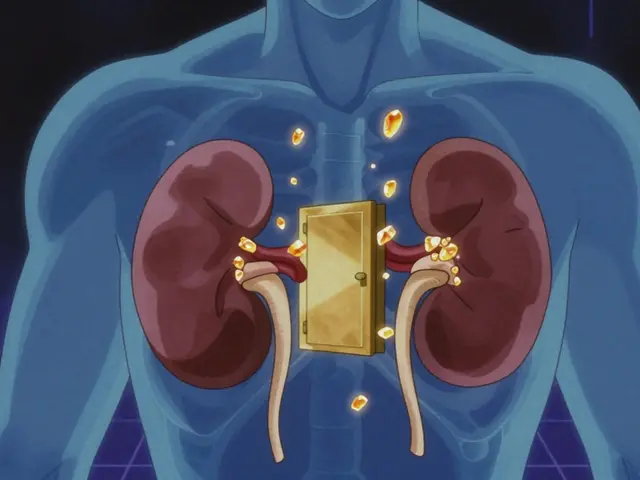
Nephrotoxicity is damage to the kidneys caused by a toxic substance, which in this case is the antibiotic vancomycin. It's the most frequent adverse effect we see, hitting between 5% and 30% of patients. The drug essentially attacks the proximal tubular cells in the kidneys by creating reactive oxygen species that mess with the mitochondria.
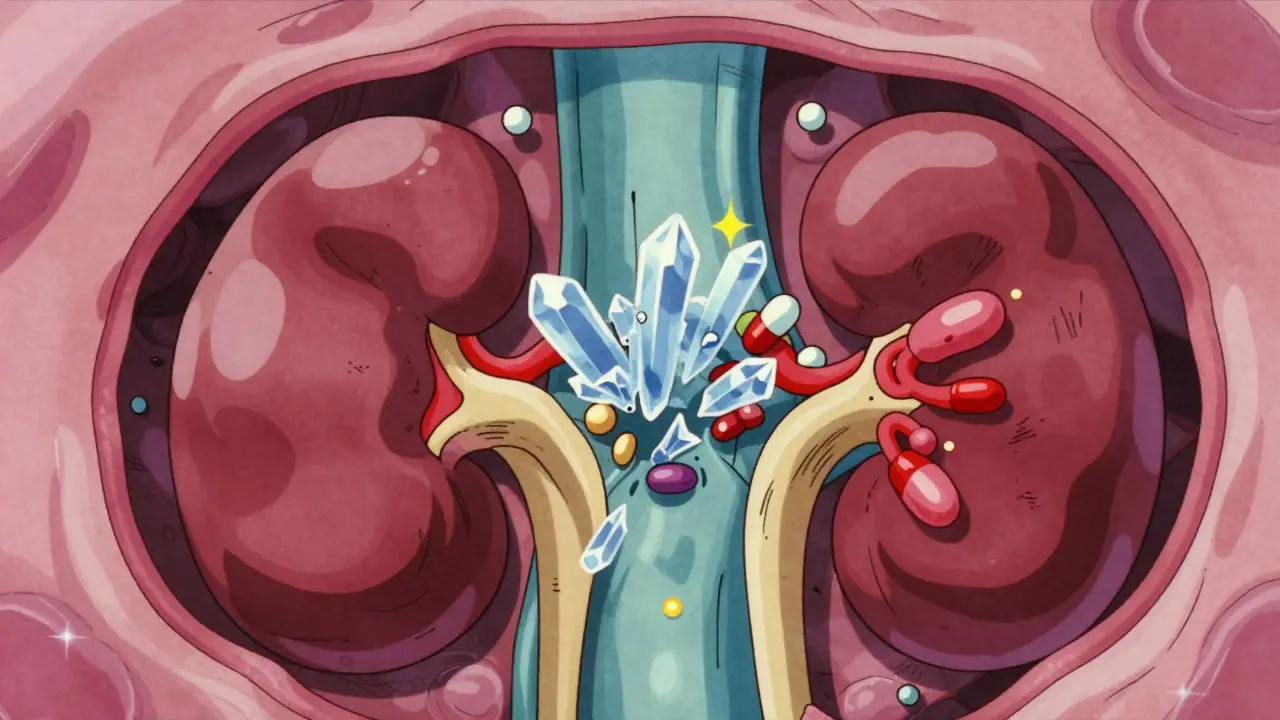
One of the biggest red flags is the "drug cocktail" effect. A 2022 meta-analysis by Chung et al. showed that when vancomycin is paired with piperacillin-tazobactam, the risk of acute kidney injury (AKI) jumps significantly-about 1.31 times higher than when paired with meropenem. If a patient is getting 4 grams of vancomycin a day, the risk odds nearly triple. Most of this damage happens between day 3 and day 14 of treatment, which is why timing your blood tests is so critical.
The good news? Most kidney issues caused by vancomycin are reversible if you catch them early. By monitoring serum creatinine every 48 to 72 hours, you can spot the dip in function and adjust the dose before the damage becomes severe.
The Silent Risk: Vancomycin Ototoxicity
While the kidneys are the main concern, Ototoxicity is the one that keeps doctors up at night because it can be irreversible. This is damage to the inner ear, specifically the cochlea or vestibular nerve, leading to hearing loss or balance issues. It's much rarer than kidney damage-occurring in only 1% to 3% of cases-but the impact is devastating.
For a long time, people thought you only got ototoxicity if your kidneys were already failing. We now know that's not true. There are documented cases of patients with perfectly healthy kidneys losing their hearing after just a few doses. Usually, this manifests as high-frequency hearing loss or a constant ringing in the ears (tinnitus). While reversible damage often happens when serum concentrations hit 40 mcg/mL, once you cross the 80 mcg/mL threshold, you're entering the danger zone for permanent deafness.
The scariest part? There are no easy blood tests for ototoxicity. You can't just check a lab value and know the ears are safe. You have to rely on the patient telling you they can't hear, or you have to perform audiometric testing, which many hospitals unfortunately skip due to lack of resources.
| Feature | Nephrotoxicity (Kidneys) | Ototoxicity (Hearing) |
|---|---|---|
| Frequency | Common (5-30%) | Rare (1-3%) |
| Reversibility | Usually reversible | Often irreversible |
| Primary Trigger | Trough levels > 15-20 mcg/mL; Combo drugs | Peak levels > 80 mcg/mL; Individual genetics |
| Onset Timing | 3 to 14 days | Variable (can be rapid or insidious) |
| Monitoring Method | Serum Creatinine / AUC | Audiograms / Patient report |
The Balancing Act: How to Manage Dosing
How do you maximize the kill rate for the bacteria without harming the patient? It all comes down to how you measure the drug in the blood. For years, we relied on "trough" levels-the lowest concentration of the drug just before the next dose. But the 2020 ASHP guidelines shifted the target. Instead of aiming for 15-20 mcg/mL, they now recommend 10-15 mcg/mL for most infections. Why? Because the risk of kidney damage spikes dramatically once you go over 15, but the drug's effectiveness doesn't actually improve much beyond 10.
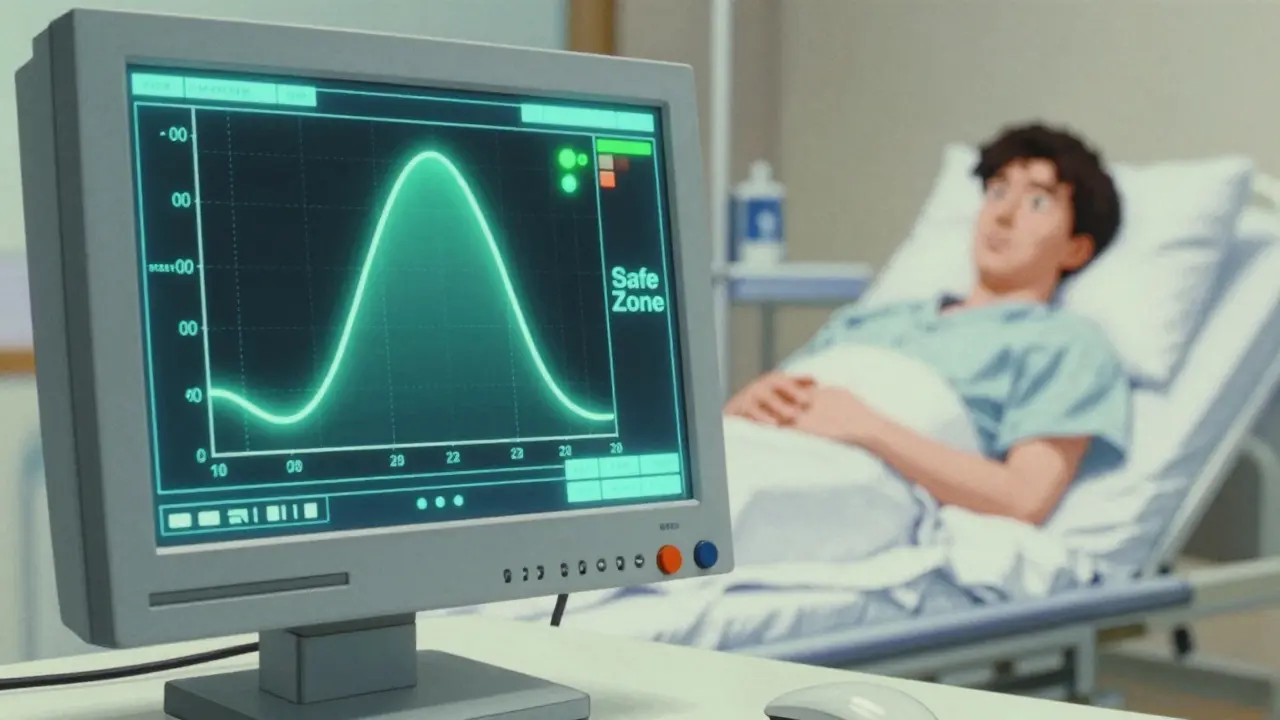
The gold standard is moving toward AUC monitoring (Area Under the Curve). Instead of a single snapshot, AUC looks at the total drug exposure over time. Data shows that AUC-guided dosing reduces nephrotoxicity rates from around 14.7% down to 8.2%. It's a more precise way to ensure the patient gets enough drug to fight the infection without overloading their system.
Of course, not every hospital has the software or staffing for AUC. That's why tools like PrecisePK or DoseMeRx are becoming popular-they use pharmacokinetic modeling to predict risk with much higher accuracy than a human with a calculator could.
Putting It Into Practice: A Risk Checklist
When you're deciding how aggressively to monitor a patient, don't just look at the drug dose. Look at the whole person. If you're dealing with a high-risk patient, you need a more aggressive strategy.
- Check for "Toxicity Partners": Is the patient on piperacillin-tazobactam or aminoglycosides? If yes, kidney monitoring must be daily or every 48 hours.
- Age and Baseline: Patients over 65 or those with pre-existing renal impairment are at a much higher risk for both types of toxicity.
- Duration of Therapy: Any treatment lasting longer than 7 days increases the risk profile. This is when you should consider baseline and weekly audiograms if the dose is high.
- Genetic Red Flags: While not common in standard clinics, research into the MT-RNR1 gene shows some people are naturally 3.2 times more likely to suffer ear damage.
The Bottom Line on Treatment Choices
You might wonder why we still use vancomycin if it's this risky. The simple answer is that it works. While alternatives like daptomycin or ceftaroline exist, they have their own sets of problems. Most infectious disease experts agree that the benefit of stopping a deadly MRSA infection outweighs the risk of toxicity, provided you aren't flying blind.
The key is moving away from "one size fits all" dosing. We've moved from the impure formulations of the 60s to a world of precision medicine. By focusing on AUC monitoring and being hyper-aware of combination therapies, we can keep the kidneys functioning and the hearing intact while still wiping out the infection.
Which is more dangerous: nephrotoxicity or ototoxicity?
It depends on how you define "dangerous." Nephrotoxicity is far more common, affecting up to 30% of patients, but it is usually reversible with dose adjustment. Ototoxicity is much rarer but often permanent, meaning a patient could lose their hearing forever even if the drug is stopped. In terms of long-term disability, ototoxicity is more severe.
Can you get hearing loss if your kidney function is normal?
Yes. While renal impairment increases the risk because the drug stays in the system longer, there are documented cases of patients with normal kidney function developing ototoxicity. This is often due to individual genetic susceptibility or extremely high peak concentrations of the drug.
How does piperacillin-tazobactam affect vancomycin risk?
Combining vancomycin with piperacillin-tazobactam significantly increases the risk of acute kidney injury (AKI). Research shows it carries a 1.31-fold higher risk of AKI compared to combining vancomycin with meropenem. This synergy makes kidney monitoring even more critical.
What is the current recommended trough level for vancomycin?
The 2020 ASHP guidelines recommend targeting trough concentrations of 10-15 mcg/mL for most infections. This is a decrease from previous targets of 15-20 mcg/mL, aiming to reduce the risk of nephrotoxicity without losing the drug's effectiveness.
What is AUC monitoring and why is it better?
AUC (Area Under the Curve) monitoring measures the total exposure of the drug over a 24-hour period rather than just a single trough level. This provides a more accurate picture of how the drug is behaving in the body, and studies show it can reduce nephrotoxicity rates from about 14.7% to 8.2%.
Are there signs I should watch for to catch ototoxicity early?
Watch for reports of tinnitus (ringing in the ears) or a sudden inability to hear high-pitched sounds. Because there is no blood test for this, patient reporting and baseline/weekly audiograms for high-dose patients are the only reliable ways to catch it early.