Opioid Safety & Dosing Guide for Renal Impairment
Medication Analysis
Managing chronic pain when the kidneys aren't working properly is a high-stakes balancing act. For people living with Chronic Kidney Disease (CKD) or those in the end stages of renal failure, the usual rules for pain medication simply don't apply. The core problem is that the kidneys are responsible for clearing many opioids and their leftovers-called metabolites-from the body. When kidney function drops, these metabolites build up, turning a standard dose of pain relief into a potential toxin that can cause confusion, seizures, or dangerous breathing problems.
| Opioid Agent | GFR >50 mL/min | GFR 10-50 mL/min | GFR <10 mL/min (Severe) | Verdict for CKD |
|---|---|---|---|---|
| Morphine | 100% Dose | 50-75% Dose | 25% Dose | Avoid (Neurotoxic) |
| Fentanyl | 100% Dose | 75-100% Dose | 50% Dose | Preferred/Safe |
| Methadone | 100% Dose | 100% Dose | 50-75% Dose | Safe (Monitor QT) |
| Meperidine | Avoid | Avoid | Avoid | Contraindicated |
Why Most Opioids Are Risky in Kidney Failure
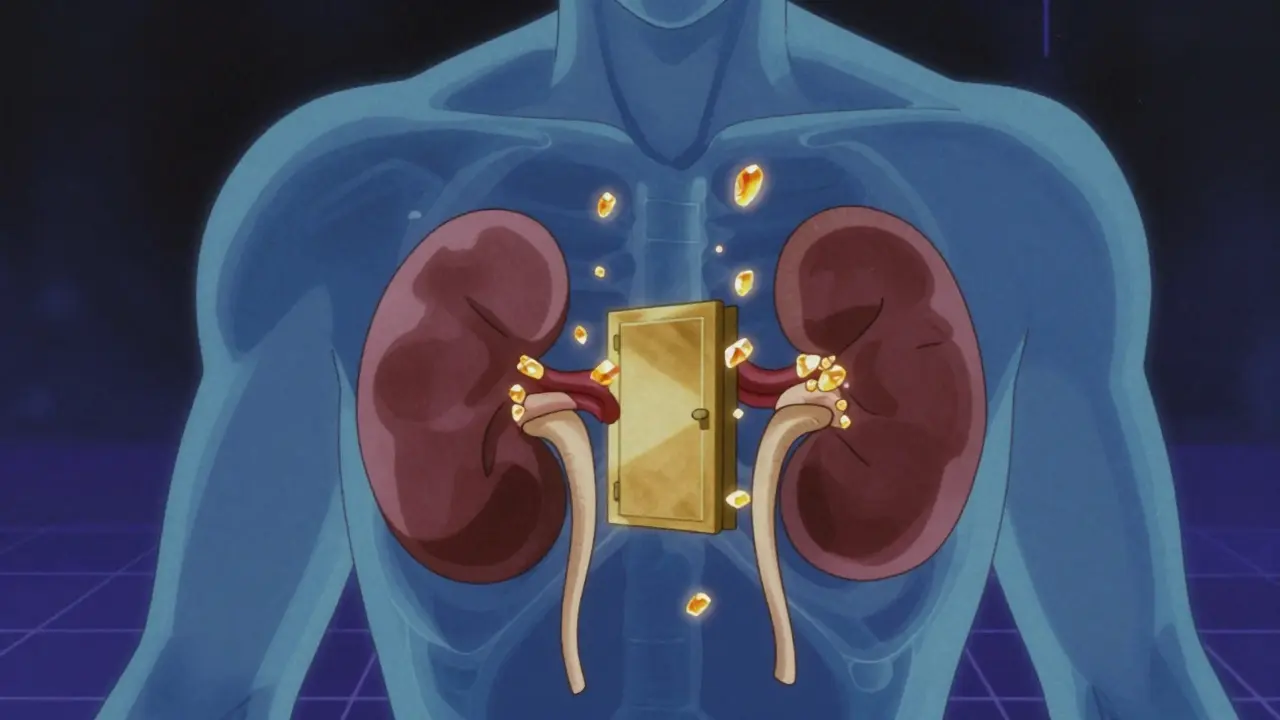
To understand why some painkillers are dangerous, we have to look at how the body processes them. Most opioids are broken down by the liver and then flushed out by the kidneys. In a healthy person, this happens smoothly. But in someone with End-Stage Renal Disease (ESRD), the "exit door" is essentially closed. This leads to the accumulation of active and inactive metabolites.
Take Morphine for example. It breaks down into morphine-3-glucuronide and morphine-6-glucuronide. While some provide pain relief, others are neurotoxic. When they pile up, they don't just make the patient sleepy; they can cause myoclonus (muscle jerks), delirium, and even full-blown seizures. The same logic applies to Codeine, which is why both are generally listed as "do not use" by the KDIGO (Kidney Disease: Improving Global Outcomes) guidelines for advanced stages of CKD.
The Safest Choices for Renal Impairment
If you can't use morphine or codeine, what's left? The goal is to find lipophilic opioids-drugs that are fat-soluble and primarily handled by the liver rather than the kidneys.
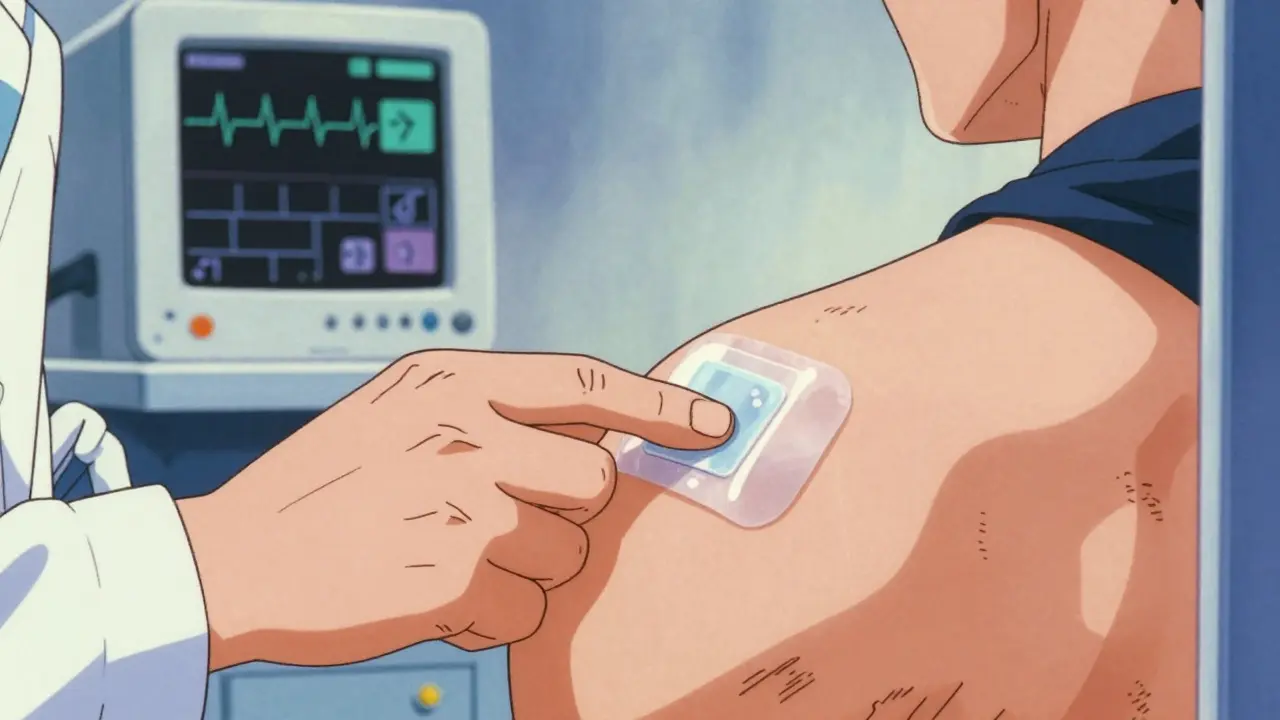
Fentanyl is often the top choice. It is metabolized mostly by the liver (via the CYP3A4 enzyme) and only about 7% is excreted unchanged by the kidneys. Because of this, it doesn't accumulate in the bloodstream to the same dangerous degree. Transdermal fentanyl patches are particularly useful because they provide a steady stream of medication, avoiding the "peaks and valleys" of oral dosing. However, a huge warning: these patches should never be used on someone who isn't already used to opioids, as the risk of overdose is too high.
Another strong contender is Buprenorphine. It is highly metabolized by the liver and is considered safe for both advanced CKD and patients on dialysis without needing major dose reductions. The only real caveat here is the need to watch for QT prolongation-a heart rhythm issue-especially if the patient is on other cardiac meds.
Navigating the "Gray Area" Drugs
Some medications aren't strictly forbidden, but they require a very cautious approach. Oxycodone is often used, but since about 45% of its metabolites are cleared renally, doctors usually cap the daily dose at 20 mg for patients with a creatinine clearance (CrCl) below 30 mL/min.
Hydromorphone is a bit more complex. While the drug itself is processed by the liver, its metabolite (hydromorphone-3-glucuronide) builds up significantly in patients who aren't on dialysis. Research shows that non-dialyzed stage 5 CKD patients have a 37% higher risk of neurotoxicity compared to those who are dialyzed, making it a riskier bet than fentanyl.
Then there is Methadone. It is quite safe from a kidney perspective, but it's a "heavy hitter" that requires an ECG at the start and during dose changes because of its effect on the heart's electrical activity. Because of this, it usually requires specialized licensing for the prescribing physician.
Dosing Strategies and Practical Titration
When you're dealing with a compromised system, the golden rule is: start low and go slow. For patients with a GFR below 15 mL/min, the standard recommendation is to start with 50% of the typical dose. If the pain isn't controlled, titration should happen every 24 to 48 hours rather than every few hours. This gives the drug time to reach a steady state in a body that is slow to clear it.
For those on Hemodialysis, there's an added layer of complexity. While buprenorphine remains stable, fentanyl can have unpredictable clearance during a dialysis session. This means the patient might feel great during the session but experience a dip in pain control shortly after, or vice versa.
It's also worth mentioning non-opioid adjuncts. Gabapentinoids are common for nerve pain, but they are cleared almost entirely by the kidneys. If you use gabapentin in a patient with CrCl <30 mL/min, you can't use a standard dose; you're looking at 200-700 mg once daily, or a specific loading dose of 300 mg followed by 200-300 mg after each dialysis session.
Managing the Side Effects: The Constipation Problem
Opioid-induced constipation is an absolute nightmare for CKD patients, affecting up to 80% of them. Traditional laxatives can sometimes mess with electrolyte balance, which is already a problem in renal failure. A newer solution is Naldemedine, a peripherally-acting mu-opioid receptor antagonist (PAMORA). Unlike many other drugs, naldemedine doesn't need a dose adjustment for kidney failure or dialysis patients, making it a reliable tool for keeping the digestive system moving without compromising the pain relief.

Long-Term Outlook and Alternatives
We have to be honest: long-term opioid use in kidney patients is a double-edged sword. Some data suggests that using opioids for more than 90 days in CKD patients is linked to a 28% faster progression toward total kidney failure (ESRD). This is why the current trend is shifting toward a multimodal approach-combining low-dose opioids with physical therapy, nerve blocks, and non-opioid medications to reduce the total chemical load on the kidneys.
Why can't I take morphine if I have kidney disease?
Morphine is broken down into metabolites that the kidneys must remove. In renal failure, these metabolites build up in the blood and can cross into the brain, causing neurotoxicity. This manifests as confusion, muscle twitches (myoclonus), and in severe cases, seizures.
Is Fentanyl safe for someone on dialysis?
While fentanyl is generally the safest opioid for CKD because it's processed by the liver, it can be unpredictable during hemodialysis. The dialysis process can cause variable clearance of the drug, making it harder to maintain a stable level of pain relief during and after the session.
What is the safest opioid for ESRD?
Buprenorphine and Fentanyl (especially in transdermal patch form) are widely regarded as the safest first-line choices because they rely heavily on hepatic (liver) metabolism and do not produce toxic metabolites that accumulate in the kidneys.
Do I need to change the dose of Oxycodone for kidney failure?
Yes. While not as dangerous as morphine, oxycodone metabolites are cleared by the kidneys. For patients with a creatinine clearance (CrCl) below 30 mL/min, experts typically recommend limiting the total daily dose to 20 mg and monitoring closely for sedation.
Can I use gabapentin for nerve pain with CKD?
Yes, but the dose must be significantly reduced. Because gabapentin is renally cleared, a standard dose could lead to toxicity. Patients with severe impairment usually require a much lower dose, often given once daily or specifically timed around dialysis sessions.
Next Steps and Troubleshooting
If you or a loved one are managing pain with kidney disease, the first step is a full GFR (Glomerular Filtration Rate) check. You cannot dose these medications safely without knowing the exact stage of renal failure. If you feel excessively sleepy, confused, or notice unusual muscle twitching, contact your doctor immediately-these are red flags for metabolite accumulation.
For those on dialysis, coordinate your pain medication timing with your dialysis schedule. Some drugs are washed out by the machine, while others stay put. Keeping a simple log of when you take your medication and when your pain is at its worst can help your nephrologist fine-tune the dosage to avoid both under-treatment and toxicity.



15 Comments
Goodwin Colangelo
Apr 5 2026Just a heads up for anyone reading this, always make sure your nephrologist and your pain specialist are actually talking to each other. I've seen too many cases where the GP prescribes something based on a general chart and the kidney specialist is left cleaning up the mess. The stuff about fentanyl being unpredictable during dialysis is a huge point that often gets missed in standard clinic visits.
Divine Manna
Apr 6 2026The fundamental tragedy of modern pharmacology is the reduction of the human experience to a set of glomerular filtration rates. While the technical data provided here is superficially accurate, one must contemplate the existential dread of a body that can no longer purge its own toxins. It is an exercise in futility to merely "dose lower" when the biological architecture itself has collapsed into ruins. We are merely rearranging deck chairs on the Titanic of renal failure, pretending that a 20mg cap on oxycodone is a victory for patient autonomy.
Jenna Carpenter
Apr 6 2026honestly some of you act like this is rocket scence... just use the chart!! its literally rite there lol. why do peple make it so hard to follow simple medecine guidelines??
Branden Prunica
Apr 8 2026OH MY GOD. I cannot even imagine the sheer terror of having a seizure because your kidneys decided to stop working! Like, actually imagine the panic! It is absolutely harrowing to think about the "peaks and valleys" of oral dosing while your body is basically a toxic waste dump! I'm literally shaking just thinking about the myoclonus!
Brian Shiroma
Apr 9 2026Oh sure, because nothing says "quality of life" like a fentanyl patch that might or might not work depending on if you've had your dialysis session today. Truly a miracle of modern medicine. 🙄
Joseph Rutakangwa
Apr 10 2026stay safe everyone. check your gfr first
simran kaur
Apr 12 2026It is quite amusing that we trust these "guidelines" blindly. Have you considered that the pharmaceutical companies pushing buprenorphine just want a market for their liver-metabolized drugs? The claim that opioids accelerate kidney failure by 28% is probably just a way to push us toward more expensive, "multimodal" therapies that they control. I've read forums where people swear by off-label use of things the FDA hates. Just a thought for those who actually enjoy thinking for themselves.
Joey Petelle
Apr 13 2026Imagine thinking a "multimodal approach" is some revolutionary epiphany. Please. It's just a fancy way of saying "we're going to give you five different pills that all clash and hope for the best" while we wave the star-spangled banner of American healthcare excellence. Absolutely precious. 💅
Dipankar Das
Apr 13 2026YOU MUST ADHERE TO THESE GUIDELINES WITH ABSOLUTE RIGOR! It is an imperative that every patient understands the gravity of metabolite accumulation! There is no room for error when dealing with neurotoxicity! You will follow the "start low, go slow" mantra or you will face the consequences of your own negligence!
sophia alex
Apr 15 2026Typical. Only in the US do we have to deal with this level of complexity because our system is so bloated. 🙄 I'm far too sophisticated to be surprised by the toxicity of morphine, but the lack of better alternatives is just embarrassing for a superpower. 🇺🇸✨
Rachelle Z
Apr 15 2026Omg, the constipation part is so real!!! 💩 Like, why is it always the worst side effect??? I just love how they suggest Naldemedine like it's a magic wand!! 🪄✨ Totally helpful if you can actually afford it though!! 😂
Beth LeCours
Apr 16 2026too long. just dont take morphine.
angel sharma
Apr 17 2026Let's stay positive and keep pushing forward! Even with kidney challenges, we can find the right balance with our doctors and live a full life! It takes patience and a lot of trial and error, but the technology is getting better every single day and we are all in this together to find the best path to comfort and health! Keep your heads up!
Hope Azzaratta-Rubyhawk
Apr 17 2026I strongly insist that you prioritize the GFR check immediately! It is an absolute necessity for patient safety! While the prospect of pain management is daunting, you must be aggressive in your pursuit of the correct dosing to avoid a medical catastrophe! Do not settle for vague answers from your provider!
Ace Kalagui
Apr 18 2026I've always felt that the journey through chronic illness is really about how we support one another as a community, and seeing this detailed breakdown of opioid safety really reminds me of the importance of patient advocacy groups that help people navigate these scary medical charts. I remember a friend of mine who struggled with his dialysis schedule and his pain meds, and he found that keeping a detailed diary of his symptoms really helped his nephrologist adjust the timing of his doses, which is exactly what this post suggests, so I truly encourage everyone to be proactive and keep those logs for your next appointment!