You might think that telling your doctor you're "allergic to penicillin" is enough, but when it comes to surgery, the details matter. A simple mention of an allergy can be the difference between a smooth recovery and a life-threatening emergency. In fact, medication errors account for about 4.5% of all surgical complications, and some of those are entirely preventable if the right information is shared at the right time. To keep you safe, your medical team needs more than just a list of drugs; they need a detailed story of what happened to your body and when.
The goal is simple: make sure the anesthesiologist and surgeon know exactly what to avoid so you don't experience a reaction while you're under anesthesia. While hospitals have their own systems, the most reliable safety net is you. By being proactive and specific, you help your team avoid the 1.1% of anesthesia-related deaths linked to allergic reactions.
The Essentials of Your Medication History
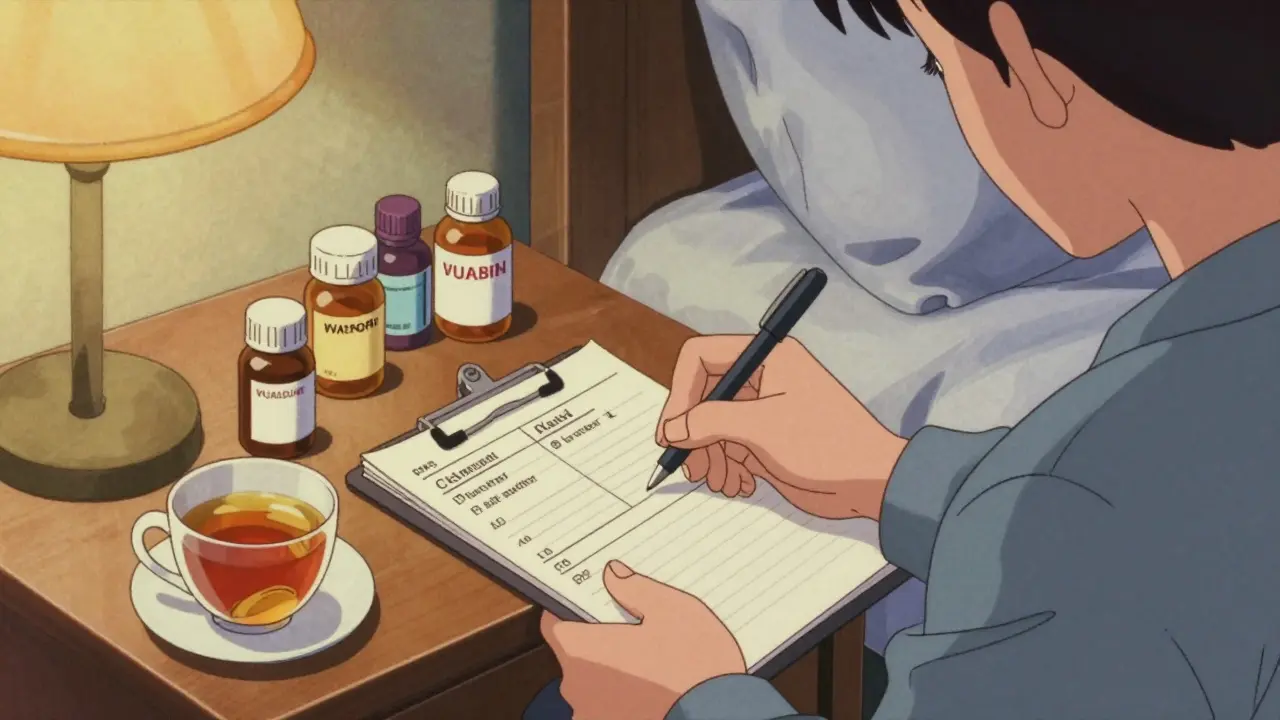
Before you head into the operating room, you need to provide a comprehensive map of everything you put into your body. This isn't just about your monthly prescriptions. Your team needs to know about drug reactions is an adverse response to a medication, ranging from mild rashes to life-threatening anaphylaxis and everything that might interact with anesthesia. This includes over-the-counter meds, vitamins, herbal supplements, and even those "as needed" pills you rarely take.
Why does a vitamin matter? Some supplements can thin your blood or affect your heart rate, which changes how a surgeon manages your vitals. To make this easy, start your list at least 72 hours before your procedure. Don't rely on memory; open your medicine cabinet and write down every single item. If you use a specific brand of herbal tea for anxiety or a daily fish oil supplement, put it on the list. The more data the team has, the fewer guesses they have to make.
How to Describe a Reaction Accurately
One of the biggest hurdles in pre-op is the word "allergic." Many people use it to describe a side effect. For example, if a medication made you feel nauseous or dizzy, that's usually a side effect, not an allergy. A true allergy involves your immune system attacking the drug. When you communicate your history, avoid generic terms and use specific descriptions.
Instead of saying "I had a bad reaction to that one drug," try to provide the following details:
- The exact name of the agent: If you don't remember, check your old pharmacy records or call your primary doctor.
- The timing: Did the reaction happen five minutes after the first dose, or after you'd been taking it for a week?
- The symptoms: Be concrete. Did you get hives? Did your throat swell? Did you struggle to breathe? Or did you just get a mild itch?
- The treatment: Did you need an EpiPen? A steroid shot? Or did it go away on its own?
Professional guidelines, such as those from the Spanish Journal of Anesthesia and Critical Care, suggest using a chronological sequence of events. This helps the anesthesiologist determine if you experienced a mild intolerance or a severe Anaphylaxis event, which requires a completely different set of precautions.
| Feature | True Drug Allergy | Adverse Side Effect |
|---|---|---|
| Cause | Immune system response | Drug's chemical effect on body |
| Common Symptoms | Rashes, swelling, breathing issues | Nausea, drowsiness, dry mouth |
| Severity | Can be life-threatening (Anaphylaxis) | Usually uncomfortable but stable |
| Risk of Repeat | Often worsens with second exposure | Usually consistent every time |
Timing Your Disclosures
Timing is everything. You shouldn't be sharing your allergy list for the first time while you're in the holding area, shivering in a gown and feeling nervous. As noted by experts from the American Society of Anesthesiologists, a frank disclosure of risks and history should happen well before you enter the surgical suite. This prevents unnecessary distress and gives the team time to adjust your care plan.
If you have a known high-risk allergy, you might need an allergology work-up before the surgery is even scheduled. In some cases, if you've had a severe reaction to a common anesthetic, you should only proceed with elective surgery after a specialist has cleared you. If it's an emergency, they'll handle it, but for a planned procedure, there is no reason to take the risk.
Be aware that some medications require specific "wash-out" periods. For example, certain blood thinners like Prasugrel usually need to be stopped 7 days before surgery, while others like Ticagrelor might only need 3-5 days. If you are on MAOIs (monoamine oxidase inhibitors), your team needs to implement a specific "safe anesthesia" protocol to avoid dangerous drug interactions.

Who You Need to Talk To
Communication isn't just about the surgeon. A successful surgical outcome relies on a chain of professionals. You should ensure that the following people have your updated allergy list:
- The Primary Care Physician: They provide the baseline medical record.
- The Pre-Op Nurse: They are often the first line of documentation. Don't rush through the questionnaire; if they spend 20 minutes with you, it's because those details save lives.
- The Anesthesiologist: This is the most critical person to inform, as they manage the drugs that keep you unconscious and stable.
- The Hospital Pharmacist: In high-standard hospitals, pharmacists screen patient profiles at least 24 hours before surgery to catch interactions that a doctor might miss.
If you feel like you're being rushed through the process, speak up. It is better to hold up the line for five minutes than to spend three days in the ICU because a codeine allergy was ignored. Mention your allergies specifically to each person who asks, even if you think they've already seen it in your chart. Redundancy is a safety feature, not a nuisance.
Practical Tools for Better Communication
Since recalling drug names under stress is difficult-affecting about 32% of patients-you need physical tools. One of the most effective methods is the allergy card. This is a small, laminated card you keep in your wallet that lists the drug, the reaction, and the date it happened. Many allergists recommend this because it removes the guesswork from the conversation.
Another pro tip: use your phone. Take photos of the packaging of every medication and supplement you take. If you can't remember if it was "Lisinopril" or "Losartan," a photo of the bottle is an indisputable fact. If your hospital uses an electronic health record (EHR) system like Epic or Cerner, ask them to show you your allergy list on the screen to verify that everything is spelled correctly and documented as a "true allergy" rather than a "side effect."
Handling the "Difficult" Conversations
Some patients hesitate to disclose the use of certain substances, such as recreational drugs or non-prescribed medications, fearing judgment or that their surgery will be canceled. However, honesty is a safety requirement. Different substances change how your body responds to anesthesia; for instance, some can make you more resistant to pain medication or more prone to dangerous blood pressure swings.
Remember that medical professionals are trained to prioritize your safety over your lifestyle choices. Framing the conversation around your medical safety-"I want to make sure I don't have a bad reaction to the anesthesia"-often makes it easier to be honest. A transparent history allows the team to tailor the dose of your medications, ensuring you wake up safely and without complications.
What if I can't remember the name of the drug I reacted to?
Don't guess. Contact your previous pharmacy or your primary care doctor to get your medication history. You can also check old insurance claims or medical portals. If you still can't find it, describe the medication (e.g., "a small blue pill for blood pressure from 2015") and the symptoms you had; the medical team may be able to narrow it down.
Is a latex allergy the same as a drug reaction?
While it's not a drug reaction, a latex allergy is just as critical to communicate. Many surgical tools, gloves, and catheters contain latex. If you are allergic, the hospital must set up a "latex-free room" and use synthetic materials to prevent a severe reaction during your procedure.
Should I stop all my medications before surgery?
Absolutely not. Some medications, like certain heart or blood pressure drugs, are critical for your stability during surgery. Always follow the specific instructions provided by your surgeon or anesthesiologist. They will tell you exactly which ones to stop (like blood thinners) and which ones to take the morning of the procedure.
What happens if I forget to mention an allergy until the last minute?
Tell the nurse or anesthesiologist immediately. While it's not ideal, catching it before the drug is administered is still a win. The team will likely pause to double-check the medications already prepared and may need to swap out certain drugs, which could slightly delay your start time but will ensure your safety.
How do I know if I have a true allergy or just a side effect?
Generally, if you experienced hives, swelling of the lips/tongue, or difficulty breathing, it was likely an allergy. If you felt nauseous, had a headache, or felt sleepy, those are usually side effects. However, you should report both to your doctor, as they can provide the definitive diagnosis.
Next Steps for Your Safety
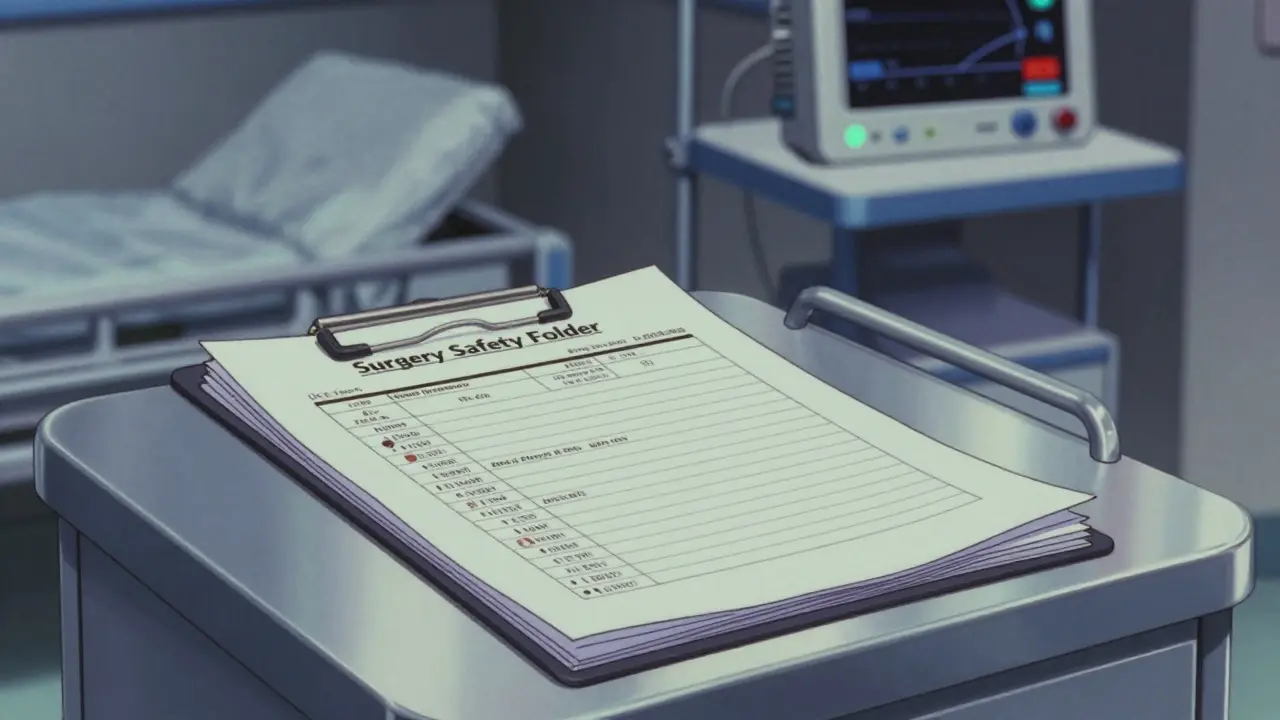
If you are preparing for surgery, your next move should be to create your "Surgery Safety Folder." Include your printed medication list, photos of your prescriptions, and a written log of your past reactions. If you've had a severe reaction in the past and haven't seen an allergist, try to schedule a consultation at least 6 to 8 weeks before your planned surgery date.
For those who have already had a reaction during a previous surgery, request a clinical report from that facility. This report should include the exact sequence of events and the medications administered. Having this document in hand prevents the current medical team from repeating the same mistake.