Five Rights in Pharmacy: What Every Patient and Provider Needs to Know
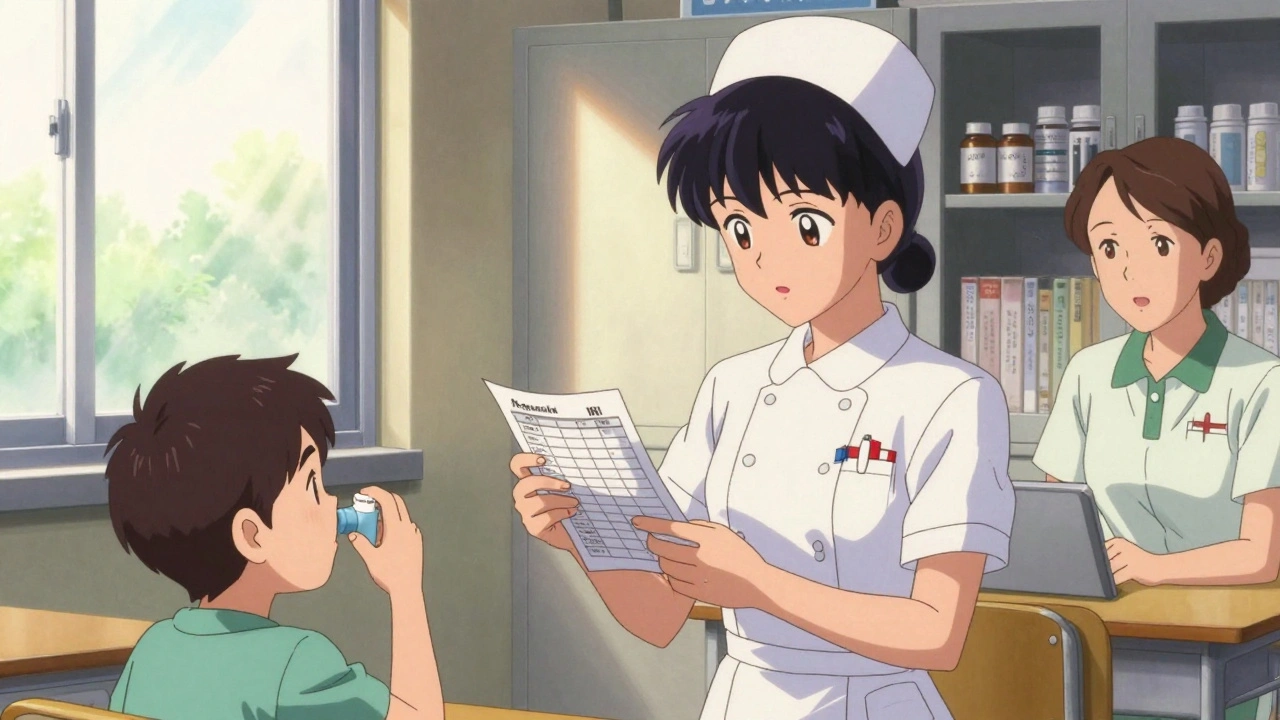
When you take a pill, it should be the Five Rights, a simple, proven checklist used by pharmacists and nurses to ensure the right patient gets the right drug, in the right dose, at the right time, by the right route. Also known as the Five Rights of Medication Administration, this system isn’t just paperwork—it’s the last line of defense against deadly mistakes.
These Five Rights aren’t just for hospitals. They apply when your pharmacist fills a script, when a nurse hands you a pill at home, or even when you’re managing your own meds. The first right is right patient—making sure the name on the bottle matches yours. The second is right drug, which sounds obvious until you realize generic versions can look totally different. Third is right dose: too little won’t help, too much can kill. Fourth is right time, because skipping a dose or doubling up can throw off your whole treatment. Fifth is right route—swallowing a patch meant for your skin, or injecting a pill, is dangerous. These aren’t suggestions. They’re rules backed by data from the Institute of Medicine showing that over 1.5 million injuries happen every year in the U.S. from preventable medication errors.
Behind every error is a broken link in the Five Rights. A pharmacist misses a drug interaction because they didn’t check the patient’s full list. A nurse gives insulin at dinner instead of breakfast because the time wasn’t confirmed. A senior takes the wrong pill because the label was too small. These aren’t rare accidents. They’re systemic failures. That’s why the Five Rights are the core of every medication safety program—from nursing schools to pharmacy chains. And when you know them, you become part of the solution. You can ask, "Is this the right medicine for me?" or "Why am I taking this at night?" or "Can you check if this interacts with my other pills?" You don’t need to be a doctor to protect yourself. Just know the Five Rights.
Below, you’ll find real-world stories from pharmacists, patients, and providers who’ve seen what happens when these rights are ignored—and how they’ve fixed them. From opioid safety to generic drug mix-ups, from elderly dosing errors to label accessibility, every article here ties back to one simple idea: if you get the Five Rights right, you prevent harm before it starts.