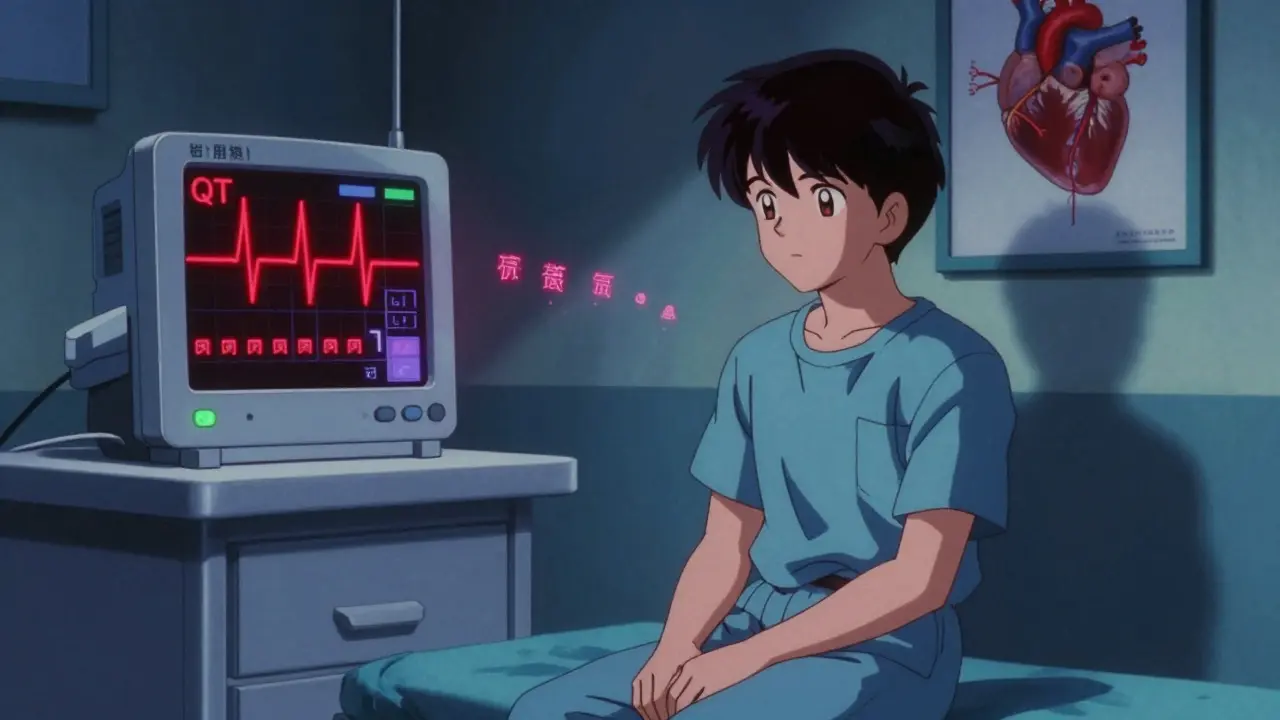
QTc Interval Calculator
Calculate Your QTc Interval
Methadone therapy requires careful ECG monitoring. Enter your patient's raw QT interval and heart rate to determine corrected QTc and cardiac risk level.
Key Monitoring Guidelines
High Risk Threshold
>500 ms
Quadruples risk of Torsades de Pointes. Requires immediate clinical intervention.
Borderline Risk
431-470 ms
Monitor closely. Consider dose adjustment and electrolyte correction.
When someone starts methadone for opioid dependence, the focus is often on recovery - reduced cravings, fewer withdrawals, rebuilding a life. But there’s a quiet danger hiding in plain sight: methadone can stretch the heart’s electrical rhythm, increasing the risk of a deadly arrhythmia called Torsades de Pointes. This isn’t rare. It’s predictable. And it’s preventable - if you know what to look for.
Why Methadone Affects Your Heart
Methadone blocks a specific potassium channel in the heart called hERG (KCNH2). This channel helps the heart reset after each beat. When it’s blocked, the heart takes longer to recharge. That delay shows up on an ECG as a longer QT interval. The longer the QT, the higher the chance of a chaotic, life-threatening rhythm. It’s not about how strong the drug is - it’s about how it interferes with the heart’s timing.
This isn’t just theory. Since 2006, the FDA has required a black box warning on methadone packaging. Over 140 confirmed cases of Torsades de Pointes linked to methadone have been reported to the FDA between 2000 and 2022. Many more likely go unreported - sudden deaths in people on methadone are often labeled as overdose, not cardiac arrest.
What’s a Normal QT Interval?
Not all QT prolongation is dangerous. But you need to know the thresholds:
- Normal QTc: ≤430 ms for men, ≤450 ms for women
- Borderline: 431-450 ms (men), 451-470 ms (women)
- Significant prolongation: >450 ms (men), >470 ms (women)
- High risk: >500 ms - this quadruples the chance of sudden cardiac death
These numbers aren’t arbitrary. Studies show that when QTc hits 500 ms or more, the risk of Torsades spikes dramatically. And it doesn’t take a huge dose to get there. Some patients on 100 mg/day already show QTc over 480 ms.
Who’s at Highest Risk?
Not everyone on methadone needs the same level of monitoring. Risk isn’t just about the dose - it’s about your whole picture.
- Gender: Women have 2.5 times higher risk than men, even at the same dose.
- Age: Over 65? Your heart doesn’t bounce back as easily.
- Electrolytes: Low potassium (<3.5 mmol/L) or low magnesium (<1.5 mg/dL) can turn a borderline QT into a crisis.
- Heart health: Past heart attack? Heart failure? Ejection fraction under 40%? You’re already on shaky ground.
- Other drugs: Mixing methadone with antidepressants like amitriptyline, antipsychotics like haloperidol, or antibiotics like moxifloxacin can double or triple your risk.
- Drug interactions: Medications that block the CYP3A4 enzyme - like fluconazole, voriconazole, or fluvoxamine - can spike methadone levels by up to 50%.
- Sleep apnea: About half of people on methadone have it. Every time you stop breathing at night, your heart gets stressed - more QT prolongation, more risk.
One study of 127 patients found that those taking over 100 mg/day were nearly four times more likely to have dangerous QT prolongation. Those with low potassium were almost three times more likely. And those on other psychiatric meds? 2.4 times more risk.

When and How to Monitor with ECG
ECG monitoring isn’t optional. It’s the only way to catch this before it’s too late.
Baseline ECG: Do one before you start methadone - or as soon as possible after starting. This is your reference point.
Follow-up ECG: Wait 2-4 weeks after starting or changing the dose. That’s when methadone levels stabilize. Don’t skip this. Many people get their first ECG months into treatment - too late.
Now, here’s how often to repeat it, based on your risk:
- Low risk: QTc under 450 (men) or 470 (women), no other risk factors → every 6 months
- Moderate risk: QTc 450-480 (men) or 470-500 (women), or 1-2 risk factors → every 3 months
- High risk: QTc over 480 (men) or 500 (women), or 3+ risk factors → every month
If your QTc jumps more than 60 ms from baseline, or hits 500 ms or higher - stop increasing the dose. Correct electrolytes. Talk to a cardiologist. Consider switching to buprenorphine, which has far less cardiac risk.
What to Do If Your QT Is Too Long
Don’t panic. But don’t ignore it either.
- Check potassium and magnesium levels immediately. If low, replace them - IV if needed.
- Review every other medication you’re taking. Stop or switch anything that prolongs QT.
- If you’re on over 100 mg/day and have other risk factors, consider lowering your dose - even if you feel fine.
- Screen for sleep apnea. A simple home test can save your life.
- Consult a cardiologist. They can help decide if you need a pacemaker or if switching to buprenorphine is safer.
One 2023 study in JAMA Internal Medicine found that clinics with structured ECG monitoring programs cut serious cardiac events by 67%. That’s not a small win. That’s life-saving.
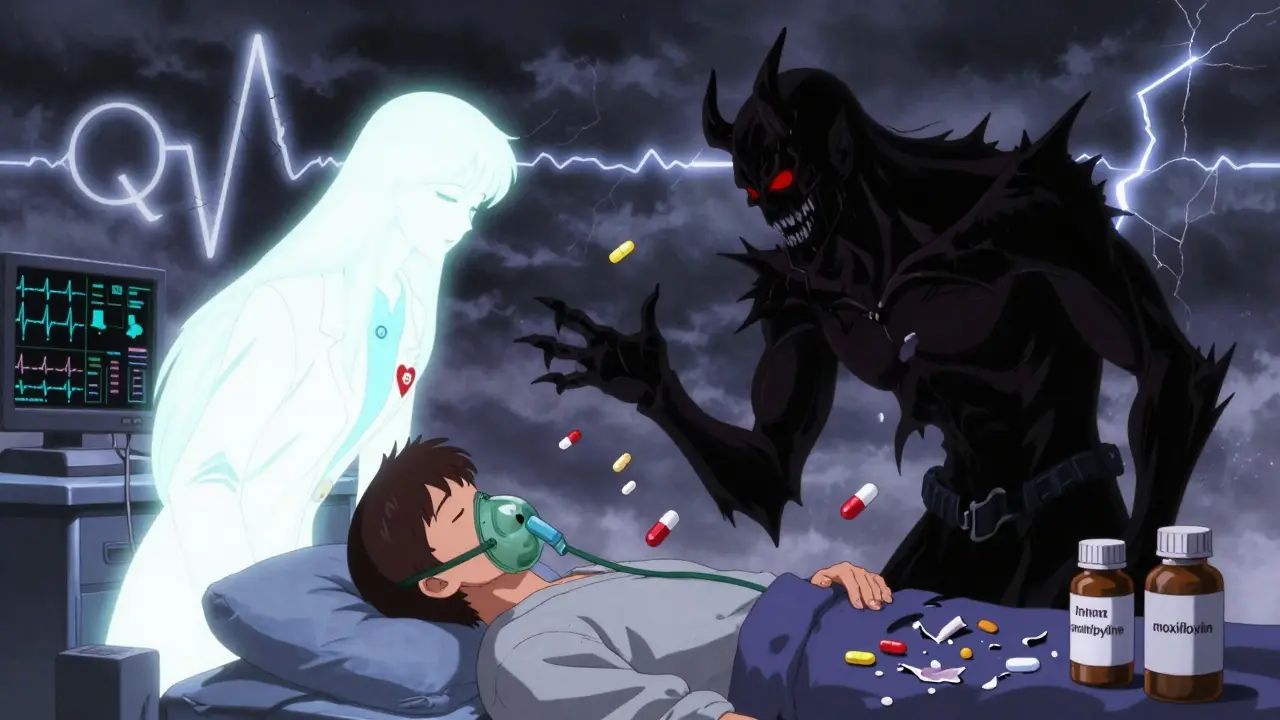
What Patients Are Saying
On forums like r/OpiatesRecovery, patients talk about inconsistent care. Nearly 7 out of 10 say they’ve been monitored inconsistently - sometimes every few months, sometimes never. But those who got regular ECGs? 82% felt safer. Only 47% of those without monitoring felt the same.
It’s not about distrust. It’s about control. When you know your numbers, you know you’re being watched. That matters.
The Bigger Picture
Methadone saves lives. It cuts mortality by 33%. It reduces crime. It stops the spread of HIV and hepatitis. But it’s not a magic bullet. It’s a tool - powerful, effective, and potentially dangerous if used carelessly.
ECG monitoring isn’t bureaucracy. It’s basic safety. Like checking blood pressure before starting a blood thinner. Like monitoring liver enzymes with certain antivirals. This is the same. It’s not about limiting access to treatment. It’s about making sure treatment doesn’t kill you.
If you’re on methadone, ask: When was my last ECG? If you’re a provider: Do I have a protocol for this? The data is clear. The guidelines are solid. The stakes are life or death.
How often should I get an ECG if I’m on methadone?
It depends on your risk level. If you’re low-risk - no other health issues, QTc under 450 ms (men) or 470 ms (women) - get one every 6 months. If you have one or two risk factors (like low potassium, older age, or another QT-prolonging drug), get one every 3 months. If your QTc is over 480 ms (men) or 500 ms (women), or you have three or more risk factors, you need an ECG every month.
Can I still take methadone if my QT interval is prolonged?
Yes - but you need to act. If your QTc is between 450-480 ms (men) or 470-500 ms (women), correct any electrolyte imbalances, stop other QT-prolonging drugs, and monitor more closely. If it’s above 500 ms or increased by more than 60 ms from baseline, your dose should be lowered or changed. Switching to buprenorphine is often the safest next step.
Does methadone always cause QT prolongation?
No. Not everyone on methadone develops it. Studies show QT prolongation occurs in 9% to 88% of patients - a huge range because risk depends on dose, gender, age, other medications, and electrolytes. Some people on 200 mg/day have normal QT intervals. Others on 60 mg/day develop dangerous prolongation. It’s not predictable by dose alone - that’s why monitoring is essential.
What medications should I avoid while on methadone?
Avoid drugs that also prolong the QT interval or raise methadone levels. These include: tricyclic antidepressants (like amitriptyline), antipsychotics (like haloperidol, ziprasidone), certain antibiotics (moxifloxacin, erythromycin), antifungals (fluconazole, voriconazole), and some SSRIs (fluvoxamine). Always check with your pharmacist or prescriber before starting any new medication - even over-the-counter ones.
Is buprenorphine safer for the heart than methadone?
Yes. Buprenorphine has a much lower risk of QT prolongation. While methadone blocks the hERG channel strongly, buprenorphine does so minimally. Studies show buprenorphine rarely causes QTc over 450 ms, even at high doses. If you have multiple risk factors or a history of QT prolongation, switching to buprenorphine is often the best choice for long-term safety.
Can sleep apnea make methadone more dangerous?
Absolutely. About half of people on methadone have sleep apnea. Every time you stop breathing, your oxygen drops. That stresses the heart, triggers adrenaline surges, and worsens QT prolongation. It also increases the chance of sudden death. If you snore, feel tired during the day, or have high blood pressure, get tested for sleep apnea - it’s simple, non-invasive, and can be life-saving.
Why do some clinics not monitor QT intervals?
Many clinics lack resources, protocols, or awareness. Some still think methadone’s cardiac risk is rare or only happens at very high doses. But studies show even doses under 100 mg can cause dangerous prolongation in high-risk patients. Lack of monitoring isn’t negligence - it’s outdated practice. The evidence is clear: structured ECG programs reduce cardiac events by two-thirds.
Next Steps for Patients and Providers
If you’re a patient: Request your last ECG result. Ask if your QTc was measured. If not, ask for one. Keep a copy. Track your doses and any new medications.
If you’re a provider: Implement a checklist. Baseline ECG before starting. Repeat at 2-4 weeks. Use risk stratification. Set reminders for follow-ups. Train staff. Link with local cardiology services. Make monitoring routine - not optional.
This isn’t about fear. It’s about responsibility. Methadone gives people their lives back. Let’s make sure it doesn’t take them away.



15 Comments
waneta rozwan
Jan 16 2026Methadone is basically a slow-motion poison for the heart, and nobody talks about it because they’re too busy patting themselves on the back for being ‘recovered.’ I’ve seen three people drop dead on this stuff-no overdose, no needle marks, just… gone. And the clinics? They don’t even check QT intervals unless you’re screaming about chest pain. That’s not care, that’s negligence.
Women are getting screwed worse-double the risk, same monitoring. It’s like they think our hearts are just decorative.
My cousin was on 80mg and her QTc hit 510. They told her to ‘just keep taking it.’ She’s dead now. And the clinic sent a sympathy card.
This isn’t harm reduction. It’s quiet euthanasia with a side of pamphlets.
Nicholas Gabriel
Jan 17 2026Let me be very clear: every single person prescribed methadone for opioid use disorder deserves a baseline ECG, a repeat at 30 days, and then quarterly monitoring-no exceptions. The data is overwhelming. The FDA warning exists for a reason. And yet, in too many states, clinics still rely on ‘clinical judgment’-which, in practice, means ‘we don’t have the staff or the budget.’
This isn’t a theoretical risk-it’s a preventable public health failure. We screen for liver toxicity with buprenorphine. We monitor for respiratory depression with opioids. Why is methadone’s cardiac toxicity treated like an afterthought?
It’s not just about dose. It’s about polypharmacy, electrolyte imbalances, age, gender, and comorbidities. If you’re not checking QTc, you’re not doing your job.
And if you’re a provider who says ‘it’s rare,’ you’re either lying or dangerously uninformed.
swarnima singh
Jan 18 2026people just dont get it... its not about the drug its about the system. methadone is a tool, but the system uses it like a weapon. they give you the drug, then they ignore your heart. they dont care if you live or die as long as you stop using heroin. its all about control. they want you quiet. compliant. invisible.
i saw a girl on 120mg with a qt of 530. they gave her a new bottle and told her to 'drink more water.' she died 3 weeks later. no autopsy. no questions. just another statistic.
they call it recovery. i call it slow murder with a side of coffee.
Isabella Reid
Jan 19 2026I’ve worked in addiction clinics for 12 years, and this is one of the most under-discussed issues. I’ve seen patients on methadone for years who never had an ECG until they had a syncopal episode.
It’s not that providers are evil-it’s that they’re overwhelmed. Many clinics are understaffed, underfunded, and operating in a regulatory gray zone. We need standardized protocols, not just guidelines.
But here’s the thing: we can fix this. We already have the tools. We just need the will. Let’s stop treating cardiac risk as a footnote and start treating it like the life-or-death issue it is.
And yes, women, older adults, and people on higher doses need more attention. No debate.
Also, potassium levels matter. A lot. I’ve had patients bounce back from borderline QTc just by fixing their magnesium and potassium. Simple. Cheap. Effective.
Jody Fahrenkrug
Jan 20 2026I’m on methadone. 90mg. QTc was 465 at 30 days. They upped my dose to 100. Now it’s 492. I asked for a cardiologist consult. They said ‘you’re fine.’
I’m not fine.
I don’t want to be the next headline.
john Mccoskey
Jan 20 2026Let’s be brutally honest here. The entire methadone maintenance industry is built on a foundation of institutionalized disregard for patient safety. The FDA issued a black box warning in 2006. Over 140 confirmed deaths. Tens of thousands of patients on high-dose regimens without baseline or serial ECGs. And yet, the system continues to operate as if this is somehow acceptable.
This isn’t a medical issue-it’s a moral failure wrapped in bureaucratic inertia. Providers are incentivized to keep patients enrolled, not to keep them alive. Billing codes don’t pay for ECGs. Insurance won’t cover cardiology consults for ‘opioid dependence.’ So patients are left in the dark, literally, while their hearts stretch beyond safe limits.
And don’t even get me started on the fact that these deaths are routinely misclassified as overdoses. Why? Because admitting cardiac arrest from QT prolongation means admitting systemic failure. And nobody wants to admit that. It’s easier to blame the patient. ‘They took something else.’ ‘They didn’t follow instructions.’
But the truth? They were given a drug that can kill them quietly, and no one bothered to look at the one test that could have saved them.
Until we treat cardiac risk with the same urgency as overdose risk, we are not treating addiction. We are just managing corpses.
Ryan Hutchison
Jan 22 2026Look, I get it-people want sympathy for being addicts. But this isn’t about rights, it’s about responsibility. If you’re on methadone, you better damn well get your heart checked. No one’s forcing you to take it. You chose this path. So stop crying when your body pays the price.
And while we’re at it, why are we giving this to people who still use coke or benzos? That’s a recipe for disaster. Stop coddling people who can’t even follow basic health rules.
Also, women are more sensitive to everything. That’s biology. Don’t blame the system. Blame evolution.
Samyak Shertok
Jan 24 2026Oh wow, a whole article about methadone killing people… and no one mentioned that the FDA is just scared of lawsuits, right?
Let me guess-the same FDA that approved OxyContin with a ‘low abuse potential’ label? The same FDA that didn’t pull Vioxx until 100,000 dead? Yeah, I trust their ‘black box warnings’ like I trust a politician’s promise.
And QT prolongation? Every drug does that. Cipro. Zithromax. Even some antihistamines. Why is methadone the villain? Because it’s for poor people.
Wake up. This isn’t medicine. It’s social control dressed in white coats.
Next they’ll make us wear heart monitors like prisoners.
...and I’m not even on methadone.
vivek kumar
Jan 24 2026There is a critical gap between clinical guidelines and real-world implementation. A 2021 study in JAMA Psychiatry found that only 28% of U.S. opioid treatment programs routinely perform ECGs at initiation. In rural areas, it’s below 15%.
The American Society of Addiction Medicine recommends ECGs at baseline, 30 days, and annually-but many programs lack the equipment or trained personnel.
Here’s the fix: integrate point-of-care ECG devices into clinic workflows. Use automated QTc calculators. Train nurses to interpret results. Link ECG findings directly to dose adjustment protocols.
It’s not expensive. It’s not complicated. It’s just not prioritized.
And yes-women, elderly, and those on >100mg/day need more frequent monitoring. That’s not bias. That’s evidence.
Nick Cole
Jan 24 2026I lost my brother to this. He was 34. No drugs in his system. No trauma. Just a QTc of 520. They said it was ‘sudden cardiac death.’ No one said methadone.
I spent a year digging through his records. No ECGs. No warnings. Just a bottle of methadone and a note that said ‘stable.’
I don’t blame the clinic. I blame the system that lets this keep happening.
If you’re on methadone-get an ECG. If you’re a provider-do it. Don’t wait for someone to die before you care.
Riya Katyal
Jan 25 2026so you’re saying we should monitor hearts… but not give people clean needles? not fix housing? not treat trauma? you’re obsessed with the body but ignore the soul.
your heart stops because your life stopped first.
fix the world before you fix the qt.
Henry Ip
Jan 27 2026My clinic started doing mandatory ECGs last year. We saw 12 patients with QTc >470. Three of them were on 60mg. One was on 40mg.
Turns out, it’s not just the dose-it’s the combo. Antidepressants. Antibiotics. Even grapefruit juice.
We started a simple checklist: meds, electrolytes, age, gender, ECG. Within six months, zero QTc went above 500.
It’s not magic. It’s just paying attention.
Anyone can do this. We just have to decide it matters.
Cheryl Griffith
Jan 28 2026I’m a nurse in an Opioid Treatment Program. We don’t have an ECG machine. We have a fax machine from 1997.
We send patients to the ER for QT checks. They get charged $800. Then they don’t come back.
We know the guidelines. We just can’t follow them.
This isn’t about ignorance. It’s about poverty.
And the people who need this the most? They’re the ones who can’t afford to get it.
Kasey Summerer
Jan 28 2026So let me get this straight… we’re gonna monitor hearts… but we still won’t pay for housing? 😒
Fix the system, not the ECG.
...but also, get your QT checked. Just in case. 🤷♂️
kanchan tiwari
Jan 29 2026they’re not just watching your heart… they’re watching YOU.
every ECG? a tracking device.
every QT reading? fed into a database.
they know when you’re stressed. when you’re sleeping. when you’re about to relapse.
they call it ‘monitoring.’ i call it surveillance.
they don’t want you healthy.
they want you controlled.
and if your heart gives out? well… at least you didn’t use again. right?