Vitamin K Foods and Warfarin Interactions for INR Control
Learn how vitamin K foods affect warfarin and INR control. Discover which foods to eat consistently, how to track intake, and why consistency beats restriction for stable anticoagulation.
When you take warfarin, a prescription blood thinner used to prevent dangerous clots in the heart, legs, or lungs. Also known as Coumadin, it’s one of the most widely used anticoagulants in the world—but it’s not a simple pill to manage. Unlike newer blood thinners, warfarin doesn’t come with fixed dosing. Your dose changes based on blood tests, what you eat, and other meds you take. It’s effective, but it demands attention.
Warfarin works by blocking vitamin K, which your body needs to make clotting factors. That’s why foods high in vitamin K—like kale, spinach, broccoli, and Brussels sprouts—can make it less effective. It’s not about avoiding these foods entirely, but keeping your intake steady. Sudden changes in your diet can throw off your INR, the blood test that measures how long it takes your blood to clot. A high INR means you’re at risk of bleeding; a low INR means clots could form. Your doctor adjusts your dose to keep it in that narrow sweet spot, usually between 2 and 3 for most people.
Warfarin doesn’t work alone. It’s often tangled up with other medications. antibiotics, like amoxicillin or ciprofloxacin, can boost warfarin’s effect, raising bleeding risk. NSAIDs, including ibuprofen and naproxen, can irritate your stomach and make bleeding more likely. Even caffeine, especially in large amounts from coffee or energy drinks, can interfere with how your body breaks down warfarin. That’s why the post on caffeine interactions isn’t just a side note—it’s critical reading if you’re on this drug.
People on warfarin often need regular blood tests, sometimes weekly at first. It’s frustrating, but skipping them can be dangerous. You might feel fine, but your INR could be off. And if you start a new supplement—like garlic, ginkgo, or fish oil—you could be increasing your bleeding risk without knowing it. Even over-the-counter cold meds or herbal teas can mess with it. There’s no room for guesswork.
Warfarin isn’t going away. It’s cheap, well-studied, and still the best choice for many, especially those with mechanical heart valves or certain types of atrial fibrillation. But it’s not a set-it-and-forget-it medication. It’s a balancing act. The posts below cover real-world problems you might face: how diuretics and NSAIDs affect other drugs like lithium, how drug interactions can turn harmless meds into risks, and how even something as simple as weekend eating can throw off your health routine. If you’re on warfarin, these aren’t just background reads—they’re safety guides.
 Jan, 6 2026
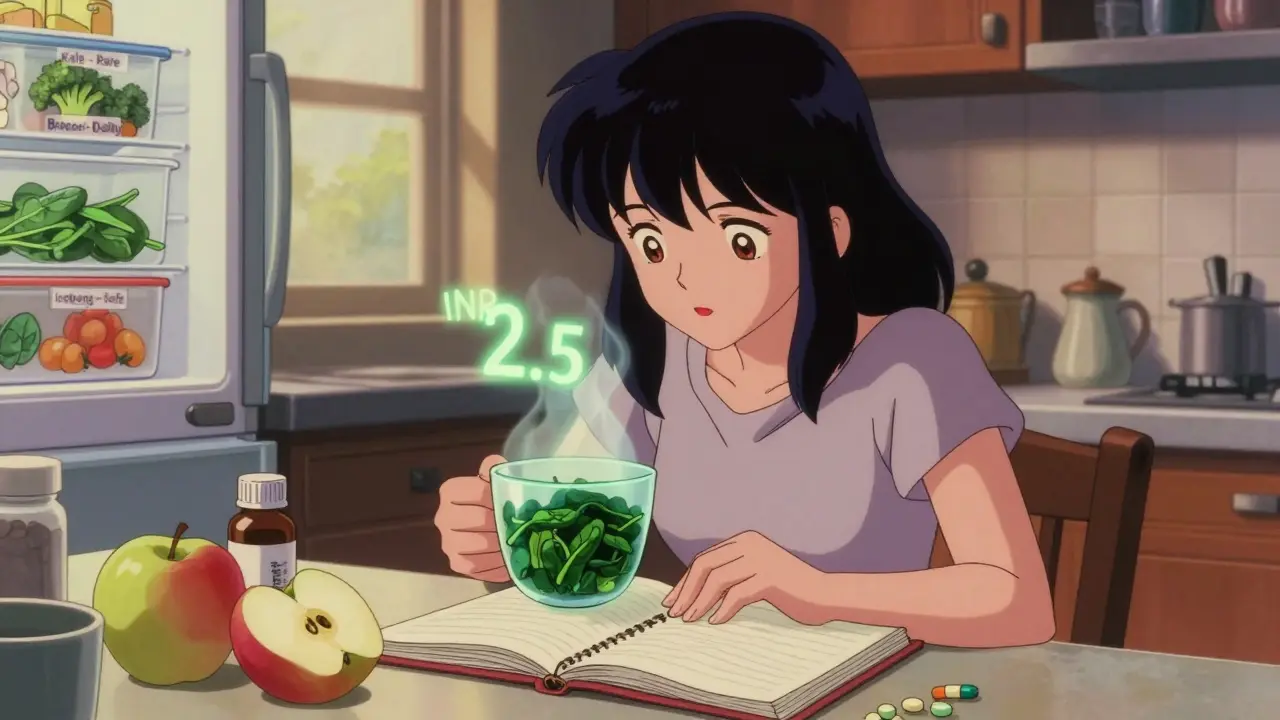
Learn how vitamin K foods affect warfarin and INR control. Discover which foods to eat consistently, how to track intake, and why consistency beats restriction for stable anticoagulation.
 Dec, 27 2025
Certain herbal supplements like St. John’s Wort, ginkgo biloba, and garlic can dangerously interfere with common prescription drugs, reducing their effectiveness or causing life-threatening side effects. Know which ones to avoid and how to stay safe.
 Dec, 1 2025
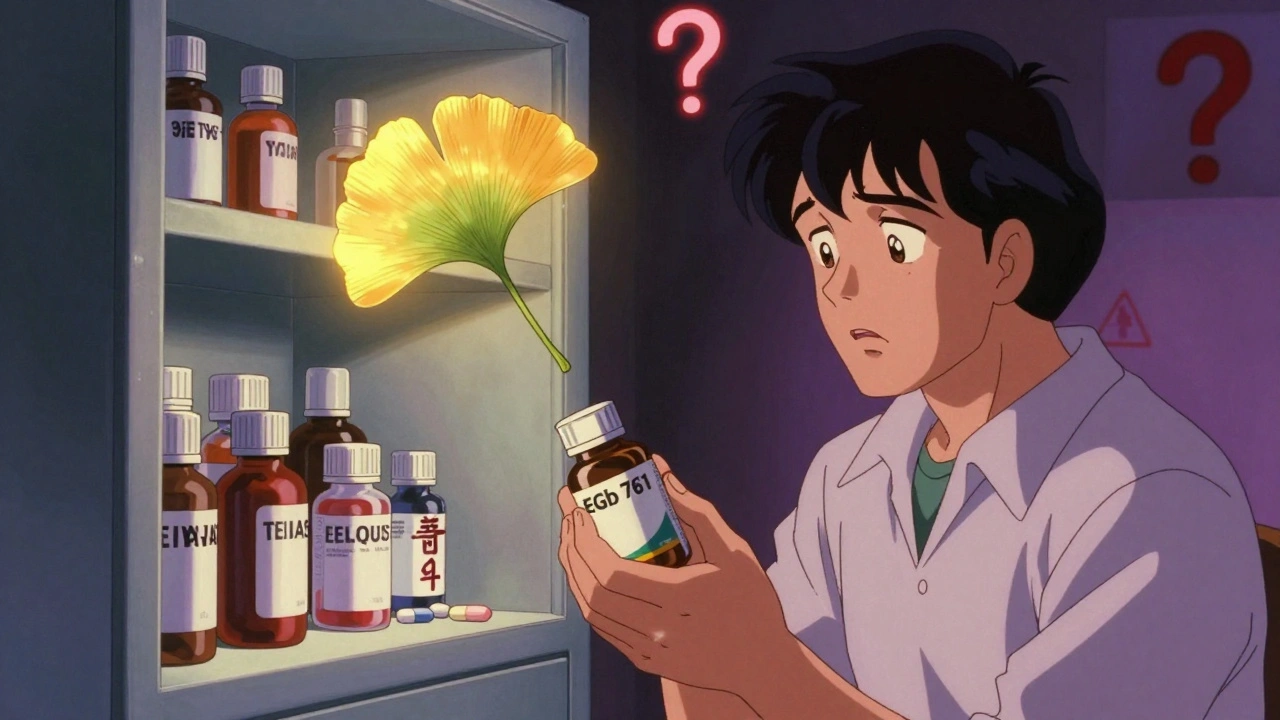
Ginkgo biloba may increase bleeding risk when taken with blood thinners like warfarin, aspirin, or clopidogrel. Learn what the science says, what experts recommend, and how to stay safe.