What Are Drug Interactions and Why They Matter for Medication Safety
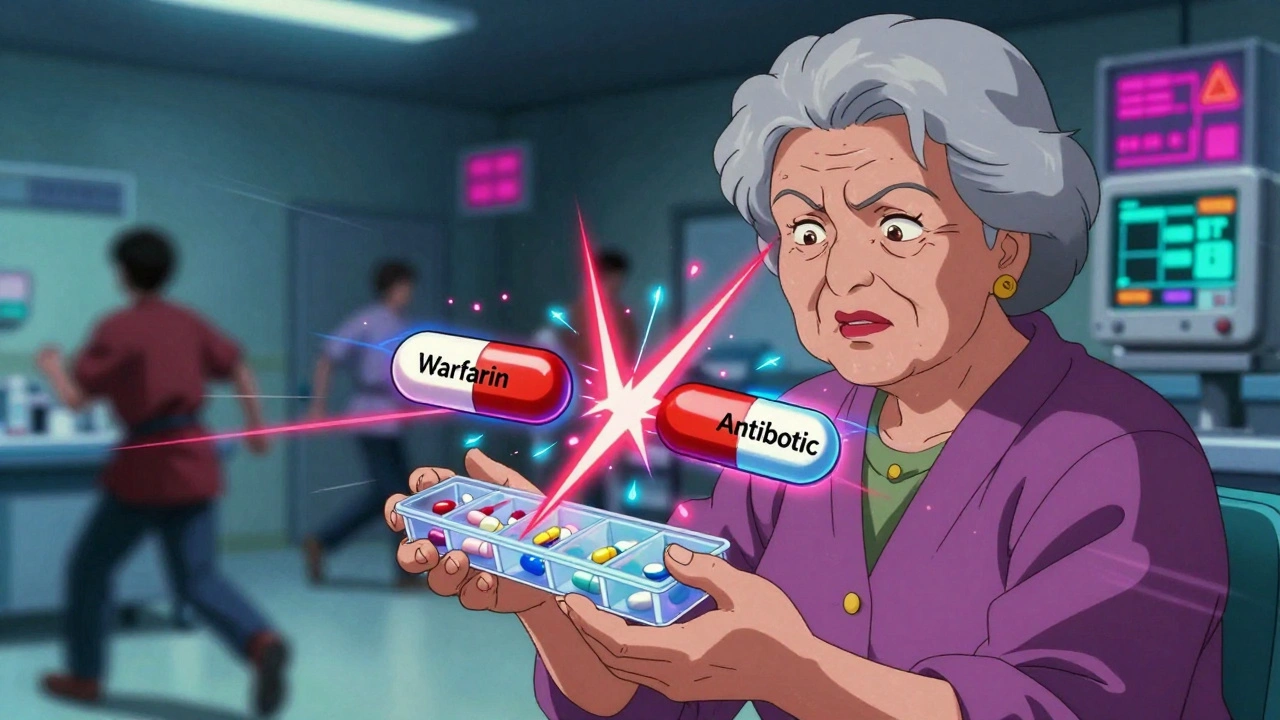
Drug interactions can turn safe medications into dangerous ones. Learn how they happen, who's at risk, and what you can do to prevent harmful side effects and hospital visits.
When you take a medication, it doesn’t just work in a vacuum. food-drug interactions, the way what you eat or drink changes how your body handles medicine. Also known as dietary interactions, they can make drugs stronger, weaker, or even dangerous. This isn’t just about grapefruit and statins—it’s about everyday meals, supplements, and drinks quietly messing with your treatment.
Take blood thinners, medications like warfarin that prevent dangerous clots. If you suddenly eat a big bowl of kale or spinach, the vitamin K in those greens can fight the drug’s effect, raising your risk of clots. On the flip side, lithium toxicity, a life-threatening rise in lithium levels caused by other drugs or diet changes can happen if you’re on lithium for bipolar disorder and start taking ibuprofen or a diuretic. Even salt intake matters—too little salt can cause lithium to build up to toxic levels. These aren’t rare edge cases. They’re common, preventable mistakes.
It’s not just prescription drugs either. Ginkgo Biloba, a popular herbal supplement for memory can turn your aspirin or clopidogrel into a bleeding risk. MAOIs for depression? Mixing them with cold medicines that contain pseudoephedrine can spike your blood pressure to dangerous levels. And it’s not just about what you take—it’s about when. Some foods delay absorption, others speed it up. A cheese sandwich might make your antibiotic useless. Coffee might turn your ADHD med into a jittery mess.
You don’t need to memorize a hundred rules. You need to know two things: ask your pharmacist about your meds with every refill, and track what you eat and drink alongside your pills. The posts below cover real cases—how NSAIDs and lithium interact, why ginkgo and blood thinners don’t mix, how OTC cold meds can trigger a crisis with MAOIs, and what to do when your medication causes swelling or drowsiness. These aren’t theory pages. They’re practical guides written for people who take meds daily and want to avoid hospital visits. Whether you’re managing gout, heart disease, mental health, or just trying to stay out of the ER, the right info here can literally save your life.
 Dec, 4 2025
Drug interactions can turn safe medications into dangerous ones. Learn how they happen, who's at risk, and what you can do to prevent harmful side effects and hospital visits.