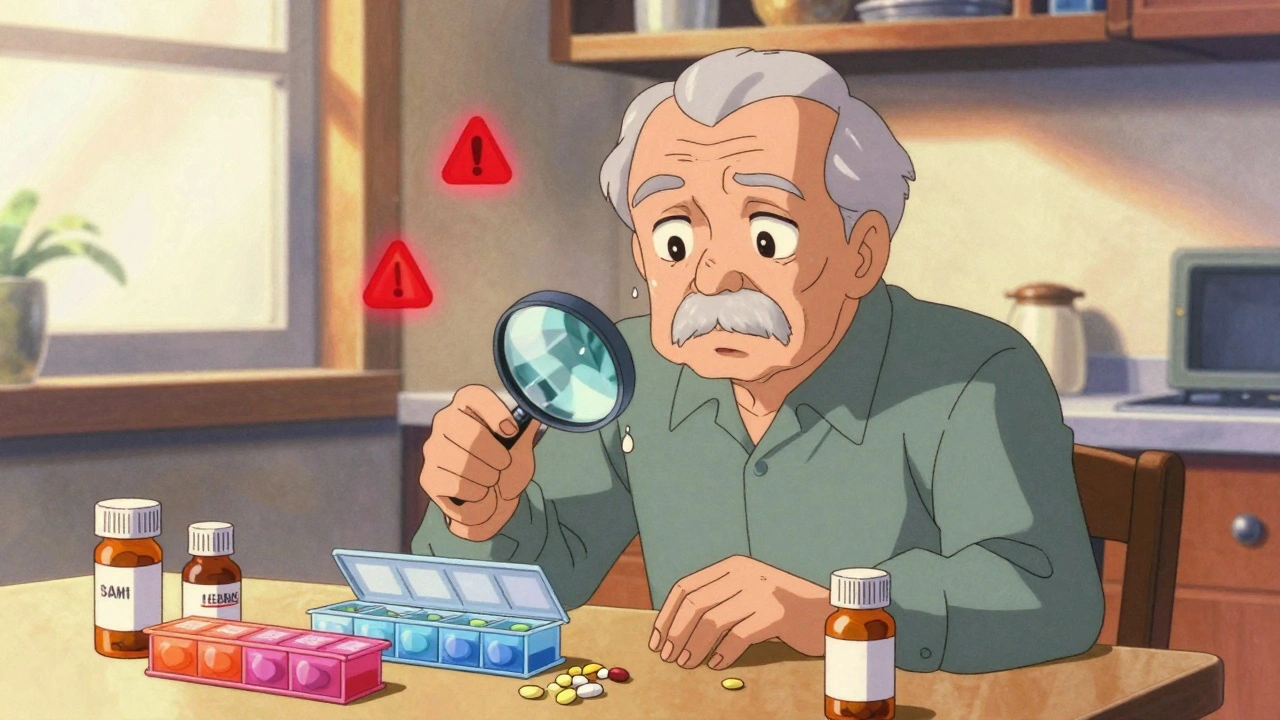
Beers Criteria: What Older Adults Should Avoid in Medications
When you’re over 65, some medications that are fine for younger people can be dangerous—or even deadly. That’s where the Beers Criteria, a widely used list of potentially inappropriate medications for older adults. Also known as the AGS Beers Criteria, it’s updated every few years by the American Geriatrics Society to reflect the latest safety data. It’s not a rulebook, but a practical guide doctors and pharmacists use to cut out drugs that raise the risk of falls, confusion, kidney damage, or heart problems in seniors.
The Beers Criteria, a widely used list of potentially inappropriate medications for older adults. Also known as the AGS Beers Criteria, it’s updated every few years by the American Geriatrics Society to reflect the latest safety data. isn’t just about banning drugs. It highlights specific risks tied to age-related changes in the body. For example, older adults process drugs slower, so a normal dose for a 40-year-old might build up to toxic levels in a 75-year-old. That’s why medications like diphenhydramine (Benadryl), certain sleep aids, and older anticholinergics are flagged—they cause drowsiness, dry mouth, and memory issues that can quickly spiral into falls or delirium. Even common painkillers like ibuprofen or naproxen show up on the list because they can wreck kidneys or trigger heart failure in seniors already on blood pressure meds. And then there’s the big one: polypharmacy, the use of multiple medications at once, which increases the chance of harmful interactions. If someone’s taking five, six, or more pills daily, the chance of a bad reaction jumps dramatically. The Beers Criteria helps spot the ones that are doing more harm than good.
You’ll find posts here that dig into real-world examples: how drug interactions, when two or more medications react in harmful ways like lithium with NSAIDs can spike toxicity, or why opioids in elderly, pain meds that raise fall and delirium risk in older adults need extra caution. Other articles cover how to ask for easier-to-open bottles, how to spot side effects like swelling from amlodipine, or why ginkgo biloba shouldn’t be mixed with blood thinners. These aren’t random tips—they’re all connected to the same goal: keeping older adults safe from medications that seem harmless but aren’t. The Beers Criteria isn’t about taking drugs away. It’s about making smarter choices so people can stay independent, alert, and healthy longer.