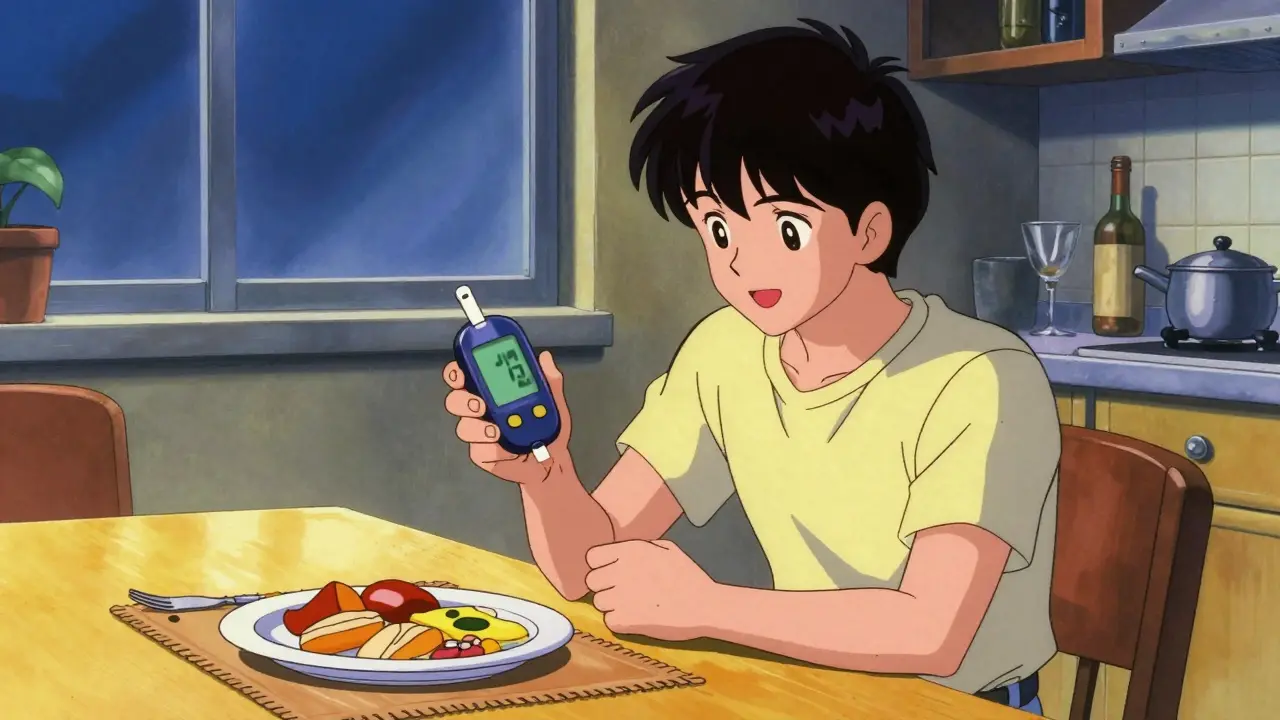
Mixing alcohol and diabetes isn't just about enjoying a weekend drink; it is about understanding how your liver handles fuel. Approximately 30% of people with type 1 diabetes who consume alcohol experience severe hypoglycemic episodes because their bodies prioritize processing ethanol over producing glucose. If you live with diabetes, that delayed drop in blood sugar can happen while you are asleep or hours after you last checked your numbers. The good news is that moderate consumption is possible with strict protocols, but ignoring the timing can turn a casual night out into a medical emergency.
The Essentials
Before planning any event where alcohol is served, keep these non-negotiable rules in mind to protect your health:
- Never drink on an empty stomach; always pair alcohol with food containing 15-30g carbohydrates.
- Check your blood glucose before drinking, every two hours during the event, and right before bed.
- Stay within limits: one drink daily for women, two for men, or follow the weekly unit guidelines.
- Avoid sugary mixers and high-carb cocktails that spike levels before they crash dangerously low.
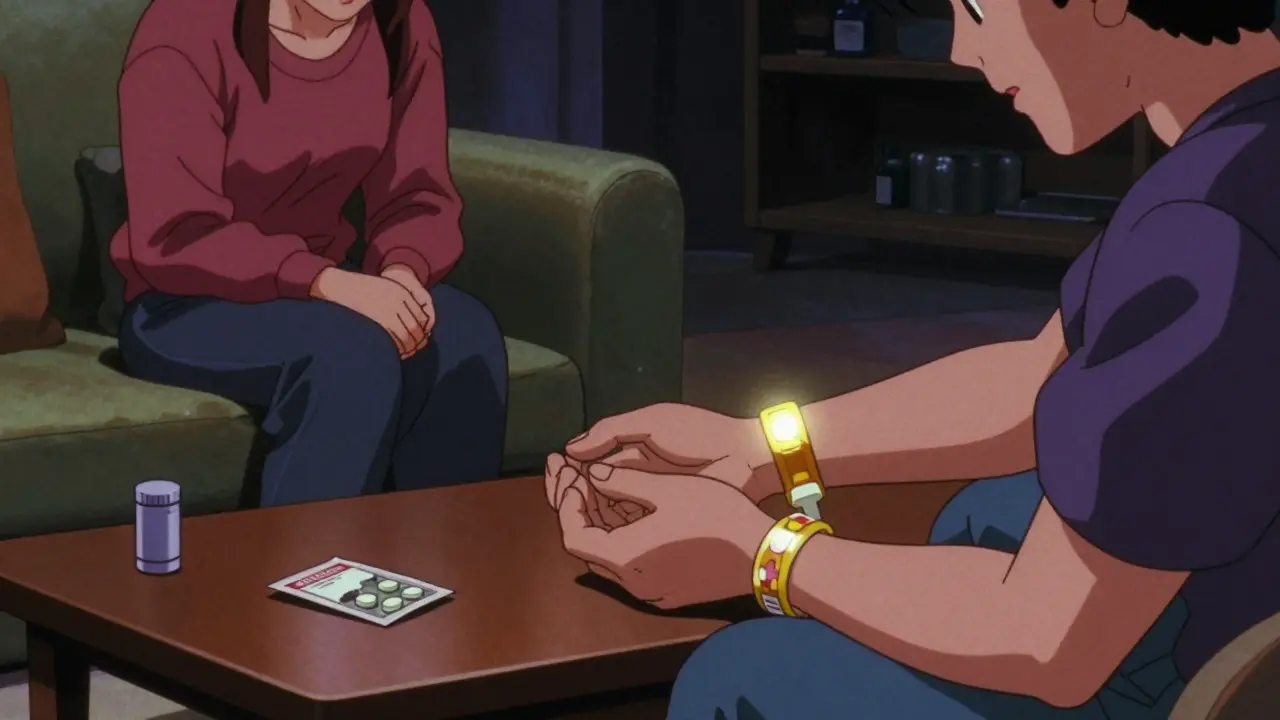
- Wear medical alert jewelry and carry fast-acting glucose sources at all times when drinking.
How Alcohol Changes Your Blood Sugar
Alcohol metabolism interferes with your liver's ability to maintain stable blood glucose levels. When you drink, your liver switches gears. Instead of releasing stored glucose to keep your energy stable, it focuses entirely on breaking down the alcohol toxins. This process continues even after you feel sober, creating a window of vulnerability that lasts up to 12 hours post-consumption. Dr. Osama Hamdy notes that while a drink might cause an initial sugar spike due to carbs in the beverage, the subsequent drop is where the real danger lies. This phenomenon affects individuals differently depending on whether they have Type 1 Diabetes or Type 2 Diabetes, with insulin-dependent users facing higher risks due to exogenous insulin remaining active in the system.
The liver's suppression of gluconeogenesis means it cannot correct a low blood sugar reading naturally. If you take insulin or sulfonylureas, this combination creates a compounding effect. You are essentially asking your body to lower sugar via medication while simultaneously stopping the liver from raising it back up. This mismatch often leads to delayed hypoglycemia, which peaks 3 to 5 hours after drinking. That is frequently in the middle of the night when symptoms like dizziness and weakness can be mistaken for intoxication.
Defining Safe Limits and Standard Drinks
Safety starts with accurate measurement. Many people underestimate how much alcohol they are consuming because pouring methods vary wildly. Medical guidelines define a single standard drink consistently across literature to help you track intake. One standard drink equals 12 ounces of regular beer with 5% alcohol, 5 ounces of wine at 12%, or 1.5 ounces of 80-proof hard liquor at 40%. These measurements are crucial because exceeding them significantly raises the risk of dangerous lows.
The American Diabetes Association recommends strict caps on consumption. For women, the limit is one drink per day. Men should not exceed two drinks per day. In regions following United Kingdom guidelines, such as New Zealand, the advice translates to no more than 14 units per week spread over three days minimum. It is vital to include alcohol-free days in your schedule to let your metabolic system reset. Drinking beyond these thresholds increases hypoglycemia risk by 25% according to Mount Sinai research, regardless of how well you monitor your levels.
Choosing Your Beverages Wisely
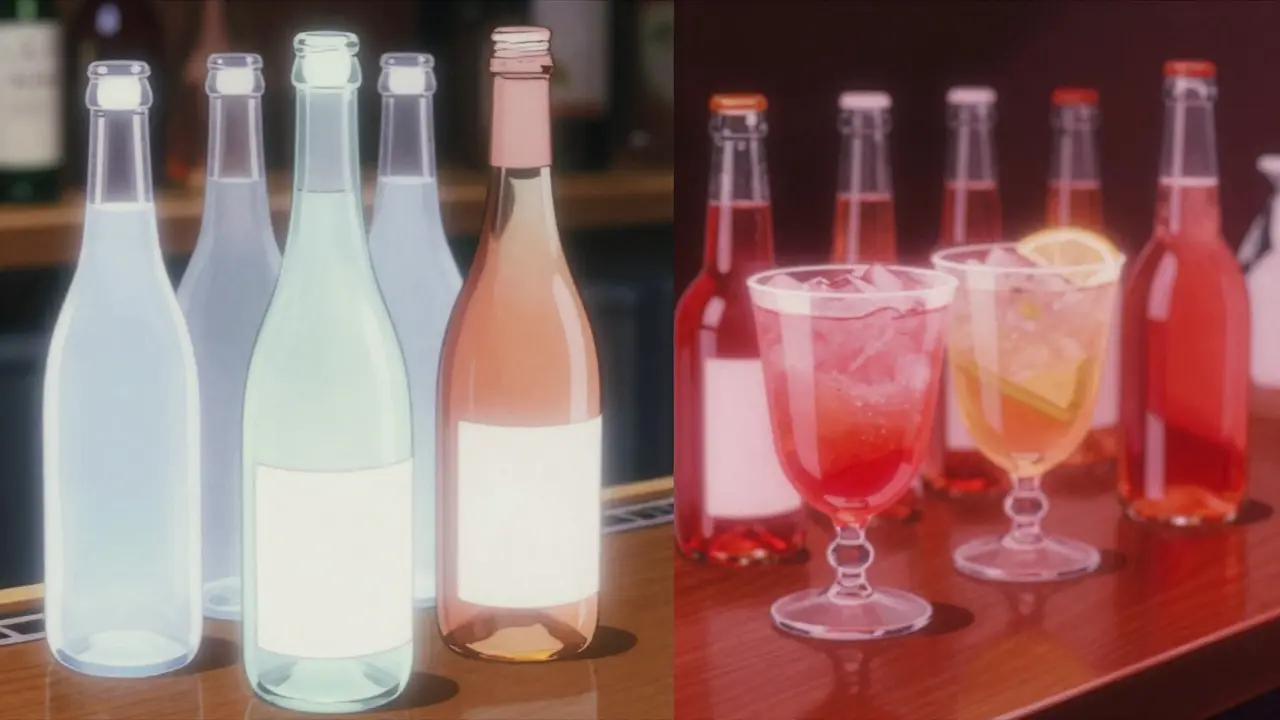
Not all alcohol impacts your blood glucose equally. The carbohydrate content in the drink plays a massive role in determining whether you face a sugar spike or a crash. Dry wines, light beers, and hard seltzers generally sit on the safer end of the spectrum, typically containing between 0 to 4 grams of carbohydrates per serving. Conversely, sweet wines, liqueurs, and cocktails mixed with soda or juice can hide 20 to 25 grams of carbs per glass. A classic margarita alone might deliver as much sugar as several slices of bread.
| Beverage Type | Approx. Carbs (grams) | Risk Level |
|---|---|---|
| Dry Wine (Red/White) | 3-4g | Low |
| Light Beer | 2-3g | Low |
| Hard Seltzer | 0-1g | Very Low |
| Cocktail with Mixer | 15-25g | High |
| Sweet Wine/Liqueur | 10-20g | High |
You might see labels for "diabetic-friendly" beers, but proceed with caution. Some of these products contain higher alcohol concentrations than regular versions to compensate for missing sugars, which paradoxically increases the risk of hypoglycemia despite the marketing claims. Sticking to clear spirits with zero-calorie mixers like club soda is often the most predictable choice. Regular mixers add 15 to 25 grams of carbs per serving, leading to unnecessary blood sugar volatility.
Navigating Medication Interactions
Your specific diabetes regimen dictates your baseline risk level. Insulin Therapy combined with alcohol presents the most complex challenge because the drug remains in your bloodstream longer than the alcohol leaves your system. If you are using insulin pumps or continuous glucose monitors like the Dexcom G7, these devices now offer specific algorithms to detect rising hypoglycemia risks during drinking sessions. However, relying solely on alarms is risky because alcohol can delay sensor readings.
If you manage Type 2 diabetes with oral medications, interactions vary. Sulfonylureas stimulate insulin production directly. Taking these alongside alcohol increases the likelihood of severe lows by 50% according to pharmacokinetic studies. Metformin is generally safer but carries a risk of lactic acidosis if consumed heavily (defined as more than four drinks in two hours). Pregnant women with diabetes must abstain completely from alcohol regardless of medication status. Always consult your endocrinologist before introducing alcohol into a routine involving prescription diabetes drugs.
Practical Protocols for Safe Consumption
Following a strict behavioral checklist can prevent most emergencies. First, check your blood glucose immediately before picking up a drink. The target range before drinking should be between 100 and 140 mg/dL. If your reading is below 100 mg/dL, do not drink until you raise your levels with food. Second, eat a meal containing complex carbohydrates before starting. This provides a buffer stock of glucose in your system. Third, pace yourself. Spreading drinks over a longer period reduces the intensity of the liver's workload.
Timing matters immensely regarding physical activity. Avoid alcohol within two hours of exercise. Exercise increases muscle glucose uptake, and adding alcohol on top of that can compound the drop by another 40%. Finally, set a reminder to test your blood sugar before bed. Even if you feel fine, your levels might be plummeting while you sleep. If you are under the influence, ask a friend or partner to check your vitals later in the night. Most severe nighttime episodes happen when monitoring stops after you get home.
Emergency Preparedness
Treating a hypo while intoxicated requires specific tools. Fast-acting glucose sources like glucose tablets or gels are superior to candy because they work quickly and do not require chewing. Keep these in your pocket or bag whenever you drink. Medical alert jewelry tells bystanders that confusion might not be drunkenness but a medical crisis. About 92% of endocrinologists recommend this form of identification strongly. Additionally, inform someone you trust about your diabetes management plan before the evening begins so they know what signs to look for if you become unresponsive.
Can I drink alcohol if my blood sugar is high?
It is not recommended to drink if your blood sugar is above 300 mg/dL. Alcohol adds stress to your system, and high sugar levels combined with dehydration from alcohol can worsen hyperglycemia and lead to complications.
Why does alcohol cause low blood sugar hours later?
Your liver prioritizes metabolizing alcohol over producing glucose. This suppression of gluconeogenesis lasts up to 12 hours, meaning your body cannot release stored energy when blood sugar drops overnight.
Is red wine better for diabetics than other drinks?
Some studies suggest moderate red wine may improve insulin sensitivity slightly, but major organizations do not recommend starting drinking for health benefits. Stick to dry wines for predictable carb content.
What mixers should I avoid?
Avoid fruit juices, regular sodas, and tonic water. Choose water, club soda, or diet tonic instead to prevent rapid blood sugar spikes that lead to reactive lows.
Should I wear a Continuous Glucose Monitor while drinking?
Yes, devices like Dexcom G7 provide valuable real-time alerts, though you must verify with finger pricks since alcohol can sometimes affect sensor accuracy or delay readings.
Managing diabetes while enjoying social moments requires discipline, but it is achievable. The technology available today makes monitoring easier, yet the biological principles remain unchanged. By treating alcohol as a variable in your diabetes equation rather than ignoring its impact, you can participate in gatherings without compromising your safety. Remember, knowing your numbers is always more important than matching the pace of those around you.






14 Comments
dPhanen DhrubRaaj
Mar 30 2026in india many people drink during festivals without thinking of diabetes risks its cultural pressure but health comes first shouldnt ignore the guidelines just because everyone does
Vikash Ranjan
Mar 31 2026honestly why bother with all these rules half the diabetics drink anyway without issues your article scares people for no reason liver handles alcohol fine if you eat something small before also whats the point checking blood sugar every two hours feels excessive
RONALD FOWLER
Mar 31 2026I used to panic every time there was a family gathering knowing I might mess up my levels since switching to hard seltzers and checking my CGM before bed nights felt safer still not perfect but manageable remember its okay to take small steps forward progress matters more than perfection
Biraju Shah
Apr 1 2026people need to stop making excuses its simple math if you drink on empty stomach youll crash basic biology dont blame the system take responsibility for yourself insulin users especially need to respect the timing window no exceptions here
Cameron Redic
Apr 3 2026Your experience is anecdotal bro statistics show 30% risk for a reason you cant cherry pick data to fit narrative hard truths matter more comfort zones
Marwood Construction
Apr 3 2026The physiological mechanisms described align with clinical literature however real world adherence remains suboptimal across demographics intervention strategies should focus on behavioral reinforcement rather than solely informational dissemination
William Rhodes
Apr 4 2026You absolutely CAN enjoy social life safely ive seen countless patients thrive with proper planning optimism combined discipline yields results do not fear the night own your choices confidently
Dan Stoof
Apr 5 2026OMG YES! Dry wines are lifesavers!! Club soda + lime is MAGIC 🥴🍋 Dont stress over-perfecting everything balance is key!!! Stay safe fam!! 💉✨
Calvin H
Apr 6 2026Tell that to the ER staff handling midnight hypo crashes.
Carolyn Kask
Apr 6 2026In America we dont need foreign guidelines our FDA already sets standards plus why trust international stats local protocols exist for a reason medical tourism isnt helping anyone here
Katie Riston
Apr 8 2026The existential dilemma of balancing mortality awareness with joy seeking mirrors broader human condition. Alcohol represents taboo freedom yet diabetes imposes discipline. Navigating such dualities reveals deeper truths about autonomy versus safety. Perhaps society fears vulnerability more than actual numbers. This tension persists throughout history from ancient rituals to modern gatherings. People seek connection through shared experiences yet must protect biological stability. Technology offers tools but human behavior remains unpredictable. True wisdom lies in acknowledging uncertainty while committing to careful practice. Our bodies demand respect even when festivities beckon. Safety isn't repression but empowered choice. Every decision carries weight beyond immediate pleasure. Conscious consumption becomes act of self-respect. Historical precedents show indulgence consequences. Modern science bridges tradition with protection. Ultimately balance defines quality of life.
Brian Yap
Apr 8 2026G'day mate!
Back home we call it 'the drop' lol
Always test before passing out! 😅
Keep it light with stubbies n' veggie chips 👍
Cheers!
Ruth Wambui
Apr 10 2026Didja notice big pharma wants us scared?? Liver myths distract from real cure suppressed tech keeps paying bills Wake up sheeple!! 🕵️♀️💊
Michael Kinkoph
Apr 11 2026Your ignorant dismissal of evidence-based medicine is appalling! Proper protocol prevents morbidity-do not trivialize life-threatening conditions with flippant commentary! Responsibility demands informed compliance, period.