Drug Interaction Checker
Check for dangerous combinations before starting new medications. This tool identifies high-risk interactions based on common dangerous combinations but should not replace professional medical advice.
Interaction Results
Enter medications and click "Check Interactions" to see results.
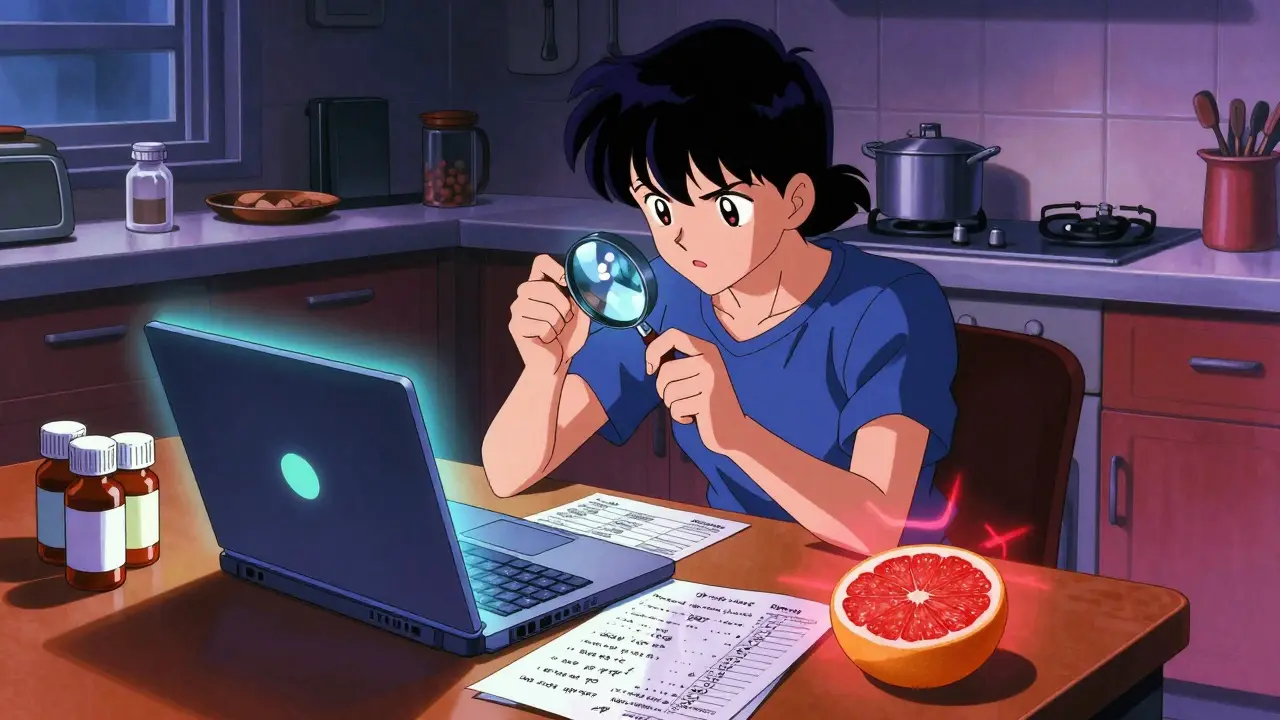
Every year, thousands of people end up in the hospital because of something that could have been avoided: a hidden drug interaction. It’s not always the new medicine that’s dangerous-it’s what it does when mixed with something else you’re already taking. Maybe it’s your blood pressure pill, your daily fish oil, or even that grapefruit you eat every morning. These combinations don’t always cause immediate harm, but when they do, the results can be life-threatening.
Why Drug Interactions Are More Common Than You Think
Most people don’t realize how many different substances they’re taking at once. Prescription meds, over-the-counter painkillers, vitamins, herbal supplements, even caffeine and alcohol can all interact. The FDA estimates that about 7,000 deaths in the U.S. each year come from preventable drug reactions, and a big chunk of those are due to interactions. Even healthy people aren’t safe. A 2022 study showed that grapefruit juice can make certain statins-like simvastatin-up to 15 times more potent, increasing the risk of muscle damage, kidney failure, or worse.It’s not just about pills. Supplements like St. John’s wort can make birth control fail. Garlic supplements can thin your blood too much if you’re on warfarin. And if you’re taking multiple doctors’ prescriptions, the chances of overlap go up fast. One 2022 survey found that people over 65 see an average of 4.7 different prescribers in a year-but only share their full medication list with 1.2 of them. That’s a recipe for disaster.
Step 1: Make a Complete Medication List
Before you even think about starting something new, write down everything you’re taking. Not just the big-name prescriptions. Include:- All prescription drugs (name, dose, how often)
- All over-the-counter meds (ibuprofen, antacids, sleep aids)
- All vitamins and minerals (iron, vitamin D, B12)
- All herbal supplements (turmeric, ginkgo, echinacea)
- All recreational substances (alcohol, nicotine, cannabis)
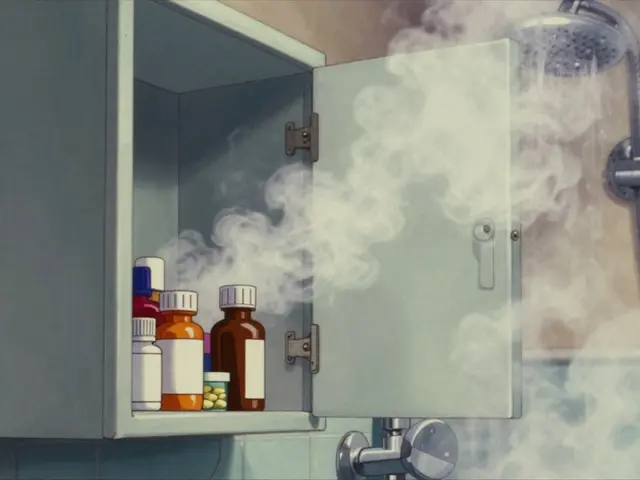
Don’t rely on memory. Open your medicine cabinet. Grab the bottles. Write down the exact names and dosages. If a pill doesn’t have a label, take a photo. Many people forget that their daily multivitamin or magnesium supplement can interact with heart meds or antibiotics.
Step 2: Bring Your List to Every Appointment
Don’t wait for your annual checkup. Bring your list to every doctor’s visit, pharmacy pickup, or ER trip. The BeMedWise Program recommends doing this at least once a year-and studies show it cuts medication errors by 37%. When you hand over your physical bottles, your provider can see exactly what you’re taking, including inactive ingredients or extended-release forms that might be missed on a typed list.Ask these four questions every time a new medication is suggested:
- Can I take this with my other medications?
- Should I avoid any foods, drinks, or supplements?
- What signs of a bad reaction should I watch for?
- How will this drug work in my body, and what might slow it down or speed it up?
These questions aren’t just polite-they’re necessary. A 2021 study found that patients who asked these questions were 50% less likely to experience a preventable adverse reaction.
Step 3: Use a Trusted Drug Interaction Checker
There are free, reliable tools you can use at home. The most accurate ones include:- Drugs.com Drug Interactions Checker: Screens over 24,000 prescription drugs, 7,000 supplements, and 4,000 foods. It’s updated daily and handles about 1.2 million checks each month.
- University of Liverpool’s HIV Drug Interaction Checker: Originally built for HIV meds, it now covers hundreds of other drugs and uses a clear color-coded system: red (contraindicated), orange (avoid), yellow (potential), green (no expected interaction).
- WebMD Drug Interaction Checker: Easier to use but less thorough-misses about 13% of serious interactions compared to Drugs.com.
These tools are great, but they’re not perfect. They don’t know your kidney function, your age, your genetics, or your exact dosing schedule. A 2022 FDA warning says: Never rely on an app to replace professional advice. Use them as a conversation starter with your doctor or pharmacist-not a final answer.
Step 4: Know the High-Risk Combinations
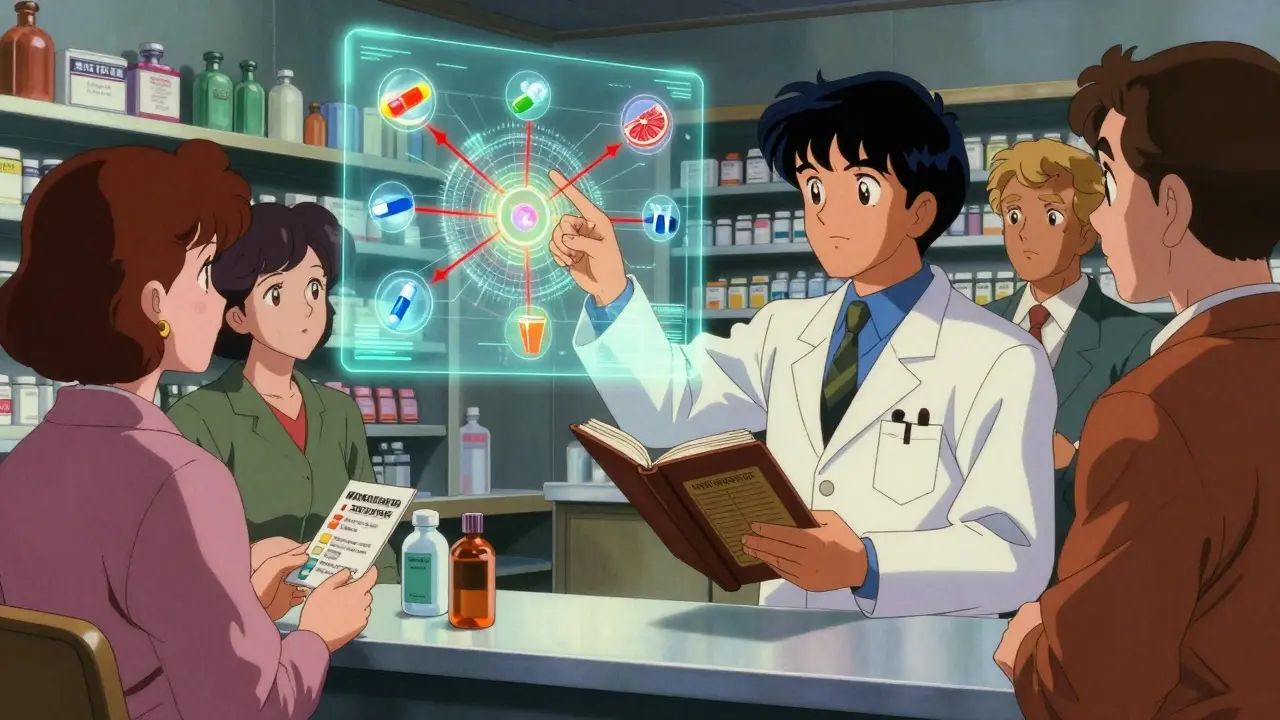
Some interactions are so dangerous they show up again and again in hospital records. The American Academy of Family Physicians identified seven combinations responsible for 63% of serious interaction-related hospitalizations:- Warfarin + NSAIDs (like ibuprofen or naproxen): Increases bleeding risk. Can cause internal bleeding.
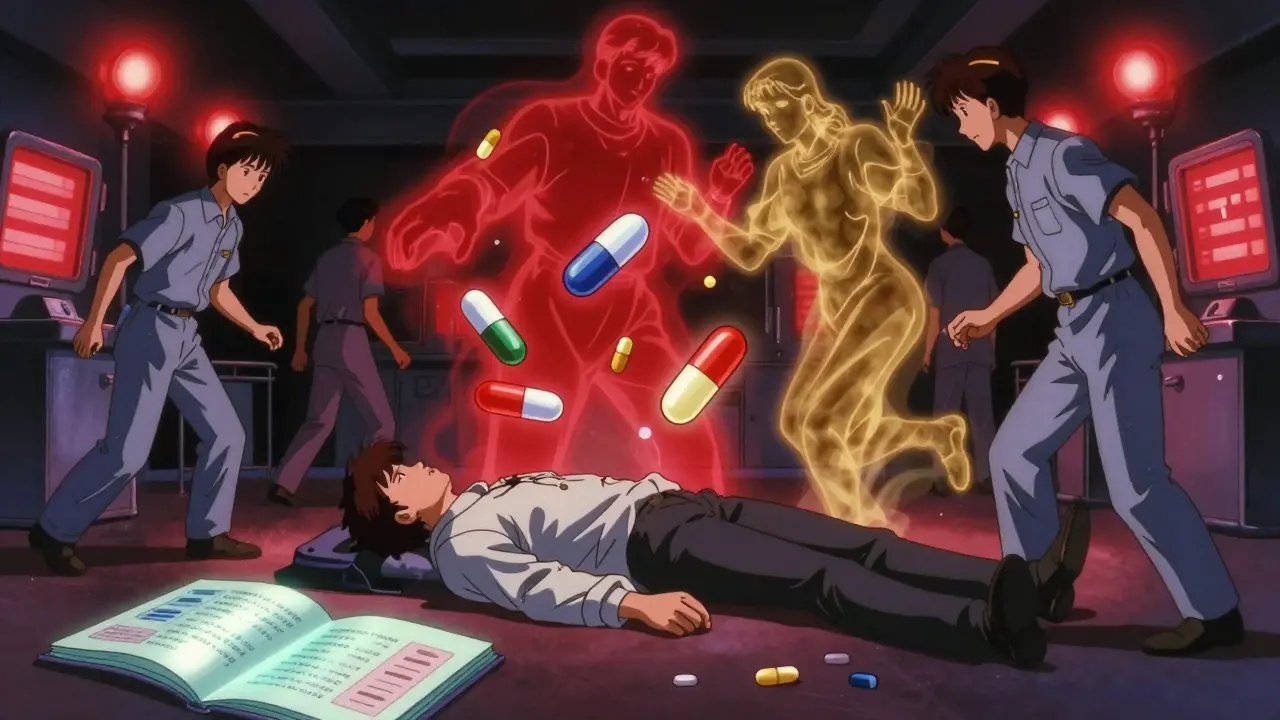
- SSRIs + MAOIs (e.g., sertraline + linezolid): Can trigger serotonin syndrome-a life-threatening surge in body temperature, heart rate, and blood pressure.
- Digoxin + Clarithromycin: Boosts digoxin levels dangerously, leading to heart rhythm problems.
- Statins + Fibrates (e.g., atorvastatin + fenofibrate): Raises risk of rhabdomyolysis-muscle breakdown that can kill your kidneys.
- Calcium channel blockers + Protease inhibitors (common in HIV treatment): Can cause dangerously low blood pressure.
- Sildenafil (Viagra) + Nitrates: Can crash your blood pressure to fatal levels.
- Theophylline + Fluvoxamine: Can cause seizures or heart arrhythmias.
If you’re taking any of these pairs, talk to your doctor immediately. There are often safer alternatives.
Step 5: Stick to One Pharmacy
Using multiple pharmacies is one of the biggest mistakes people make. If you fill your blood pressure pill at one store, your antibiotic at another, and your supplement at a third, no one has the full picture. A 2021 JAMA Internal Medicine study of 22,000 Medicare patients found that using just one pharmacy reduces serious drug interactions by 31%.Pharmacists are trained to spot interactions. They run checks every time you pick up a new prescription. But if your records are split across three stores, they can’t do their job. The “One Pharmacy Rule” isn’t just advice-it’s a safety net. Even if it’s a little less convenient or slightly more expensive, it’s worth it.
Step 6: Watch for Red Flags
You don’t need to be a doctor to know when something’s wrong. Pay attention to these signs after starting a new medication:- Sudden dizziness or fainting
- Unexplained bruising or bleeding
- Severe muscle pain or weakness
- Fast, irregular heartbeat
- Confusion, agitation, or hallucinations
- Extreme fatigue or nausea that doesn’t go away
If you notice any of these, stop the new medication and call your doctor or pharmacist right away. Don’t wait. Serotonin syndrome or rhabdomyolysis can escalate in hours.
Step 7: Keep a Medication Passport
The Cleveland Clinic recommends a “medication passport”-a simple document you carry with you. It should include:- Your full medication list (with doses and times)
- Your allergies
- Your main conditions (diabetes, heart disease, etc.)
- Your primary doctor’s and pharmacist’s contact info
Keep it in your wallet or save it on your phone. If you ever end up in the ER or can’t speak for yourself, this could save your life. The clinic tracked 15,000 patients and found this simple step cut medication errors by 52%.
Why Technology Isn’t Enough
You might think hospitals and pharmacies have it all figured out. But here’s the truth: 92% of U.S. pharmacies use computerized interaction alerts. Yet, pharmacists still filled 8.3% of prescriptions with known dangerous combinations in 2022. Why? Because too many alerts. If your system flags 12 interactions for five meds, and 10 of them are false alarms, you start ignoring them. This is called “alert fatigue.”And it’s not just the tech. A 2023 survey found that 71% of patients don’t read their medication labels. 58% don’t tell their doctor about supplements. That’s not a system failure-it’s a communication gap. No app can fix that. Only you can.
What’s Next? Personalized Safety
The future is getting smarter. The FDA is testing AI tools that predict your personal risk based on your health history, age, and even your genes. Early results show these systems are 89% accurate-much better than old rule-based ones. Some hospitals are already testing pharmacogenomic testing: checking if you’re a slow or fast metabolizer of certain drugs. That could change how your meds are dosed.But none of this matters if you don’t take action today. The tools exist. The knowledge is out there. What’s missing is consistent, honest communication between you and your care team.
Can I check drug interactions myself with apps?
Yes, apps like Drugs.com and the University of Liverpool’s checker are reliable and free. They’re excellent for spotting potential issues before you talk to your doctor. But they can’t replace professional advice. They don’t know your kidney function, your age, your genetics, or your exact health history. Always confirm results with a pharmacist or doctor.
Are herbal supplements safe to take with prescription drugs?
Not always. Many people assume supplements are harmless because they’re “natural.” But St. John’s wort can make birth control, antidepressants, and transplant drugs fail. Garlic and ginkgo can thin your blood too much if you’re on warfarin. Turmeric can interfere with diabetes meds. Always list supplements on your medication sheet-even if you think they’re “just vitamins.”
Why does grapefruit affect some medications?
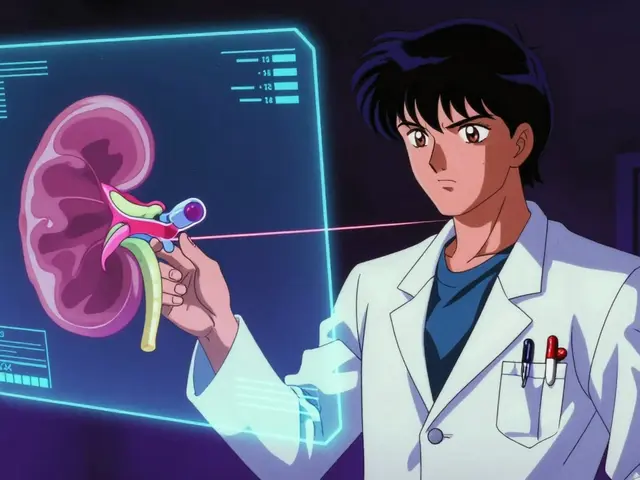
Grapefruit contains chemicals that block an enzyme in your gut called CYP3A4, which normally breaks down certain drugs. When that enzyme is blocked, the drug builds up in your bloodstream-sometimes to toxic levels. This affects statins (like simvastatin), some blood pressure meds, and certain anti-anxiety drugs. Even one glass of grapefruit juice can cause effects that last over 24 hours.
What if I forget to tell my doctor about a supplement?
It happens to everyone. But if you realize you missed something, call your doctor or pharmacist right away. Don’t wait for your next appointment. A simple phone call can prevent a dangerous interaction. Many pharmacists offer free med reviews-ask for one. It’s part of their job.
Is it safe to use multiple pharmacies to save money?
It might save you a few dollars now, but it increases your risk of a dangerous interaction. One 2021 study found that patients using multiple pharmacies had 31% more serious drug interactions. If cost is an issue, talk to your pharmacist. Many offer discount programs, generic alternatives, or patient assistance plans. Your safety is worth more than a few dollars on a prescription.
How often should I update my medication list?
Update it every time you start, stop, or change a medication-even if it’s just a one-time antibiotic. Also update it after every doctor’s visit or pharmacy refill. Keep it in your phone and your wallet. The more current it is, the safer you are.
What should I do if I think I’m having a drug interaction?
Stop taking the new medication immediately. Call your pharmacist or doctor. If you have symptoms like chest pain, trouble breathing, severe muscle pain, confusion, or fainting, go to the ER. Don’t wait. Many life-threatening interactions can be reversed if caught early.


8 Comments
Trevor Whipple
Jan 13 2026bro i just took 2 ibuprofen with my statin and now i feel like a robot who forgot how to walk. why does no one tell you this stuff until you’re almost in the ER? my pharmacist just shrugged and said ‘we’ve seen worse.’
Gregory Parschauer
Jan 14 2026Let’s be clear: the systemic failure here isn’t just patient negligence-it’s a pharmacological ecosystem designed for profit, not safety. The FDA’s alert fatigue problem is a feature, not a bug. Why? Because if you made every interaction clinically actionable, Big Pharma’s margins would collapse. The ‘One Pharmacy Rule’? A Band-Aid on a hemorrhage. We need mandatory pharmacogenomic screening at birth. Until then, we’re just rearranging deck chairs on the Titanic while the FDA approves another 200 ‘innovative’ drugs that interact with everything, including air.
Milla Masliy
Jan 15 2026I love how this guide breaks it down so clearly. I used to take turmeric with my blood thinner and had no idea it was a problem-until I started bruising like a toddler who fell off a slide. Now I keep my meds list on my phone and show it to every provider. Even my yoga instructor asked if I was on anything new. Small steps, big saves. Thanks for the reminder!
Damario Brown
Jan 16 2026you think grapefruit is bad? try mixing cipro with dairy. i did. ended up in the ER with a heart rate of 145 and a pharmacist yelling at me like i was a toddler. also st johns wort is a scam. it makes your birth control useless and your mood worse. and yes i know you think it’s ‘natural’ but your body doesn’t care if it came from a tree or a lab. your liver does. and your liver is already crying.
sam abas
Jan 16 2026Look, I get the intent, but this whole thing reads like a corporate wellness pamphlet written by someone who’s never actually had to manage 7 different prescriptions while working 60 hours a week and caring for a parent with dementia. The ‘medication passport’? Cute. Try explaining to an ER nurse why your list says ‘vitamin D 5000 IU’ when the bottle says ‘D3 10,000 IU’ and you’ve been taking it since 2019 because your cousin’s chiropractor said it ‘boosts immunity.’ Also, ‘stick to one pharmacy’-sure, if you live in a town with one pharmacy that doesn’t charge $200 for a 30-day supply of metformin. Real talk: the system is rigged. The advice is good, but it’s not accessible. And nobody’s talking about how insurance companies force you to switch pharmacies every 6 months to ‘save money.’ That’s not safety. That’s financial abuse dressed up as healthcare.
John Pope
Jan 17 2026There’s a metaphysical layer here we’re ignoring. Medication isn’t just chemistry-it’s identity. When you take a pill, you’re not just ingesting a molecule-you’re surrendering agency to a system that doesn’t know your dreams, your trauma, your sleep schedule, or the fact that you skipped breakfast because you couldn’t afford groceries. The ‘drug interaction’ isn’t just between simvastatin and grapefruit-it’s between the patient and the institution that treats them like a data point. We call it ‘compliance’ when we should call it ‘survival.’ The real interaction is between silence and systemic neglect. And until we address that, no app, no list, no ‘one pharmacy’ will save us.
Clay .Haeber
Jan 18 2026Oh wow. A 7-step guide to not dying from your own medicine. Groundbreaking. Next up: ‘How to Avoid Breathing in Oxygen-A Step-by-Step Guide to Not Dying From Respiratory Failure.’ I mean, seriously? You need a whole article to tell people not to mix warfarin with ibuprofen? Who are these people? A group of sentient gummy bears who think ‘natural’ means ‘safe’? And you’re telling me to carry a ‘medication passport’ like I’m a diplomat in a third-world country? I’m just trying to get through Tuesday without turning into a human pincushion. Thanks, I guess.
Avneet Singh
Jan 20 2026As a pharmacogenomics researcher, I must say this guide is dangerously oversimplified. CYP3A4 inhibition isn’t binary-it’s a spectrum influenced by SNP polymorphisms, gut microbiome composition, and epigenetic methylation patterns. The ‘grapefruit effect’ varies 100-fold between individuals. And you mention ‘one pharmacy’ like it’s a panacea? In India, 78% of patients use multiple pharmacies due to fragmented supply chains and price arbitrage. Your ‘safety net’ assumes a Western, insured, urban context. This is healthcare colonialism dressed as advice.